Evaluating Fabric Quality on Sale
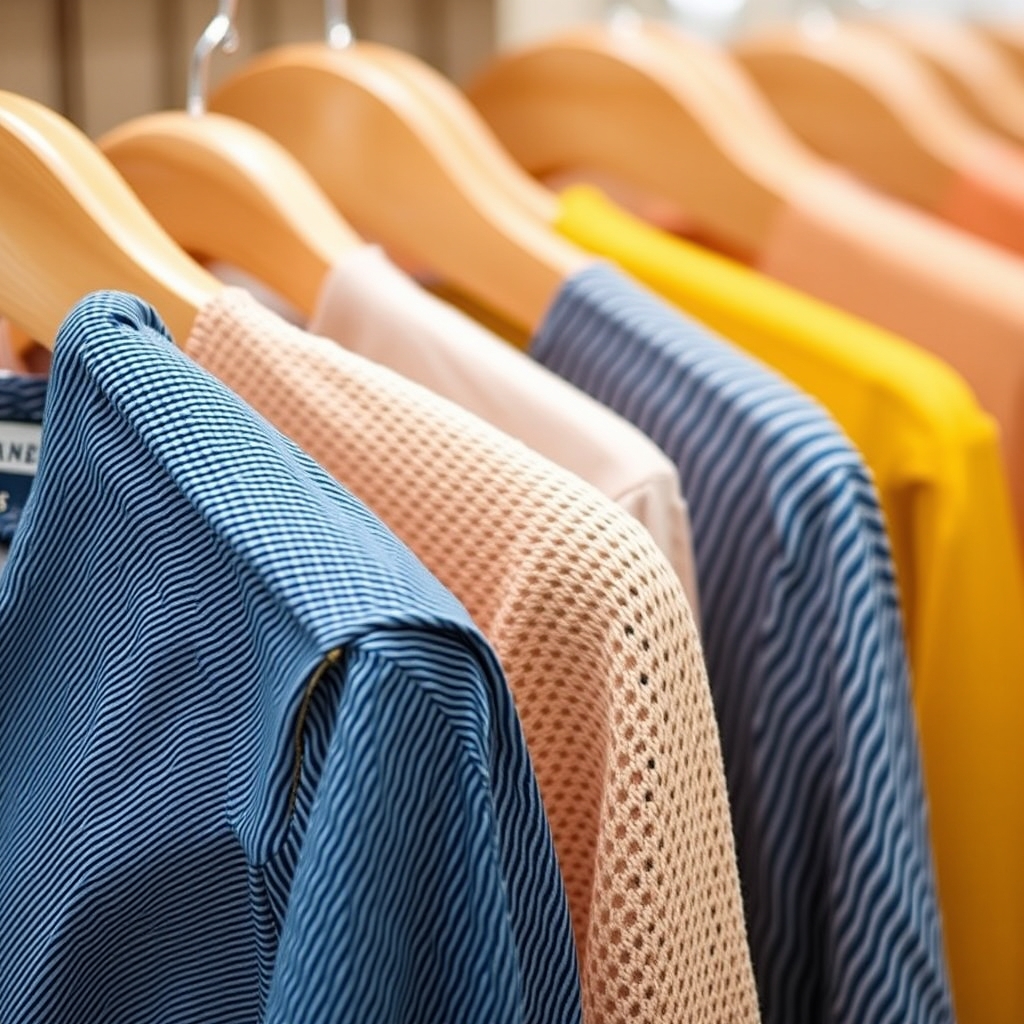
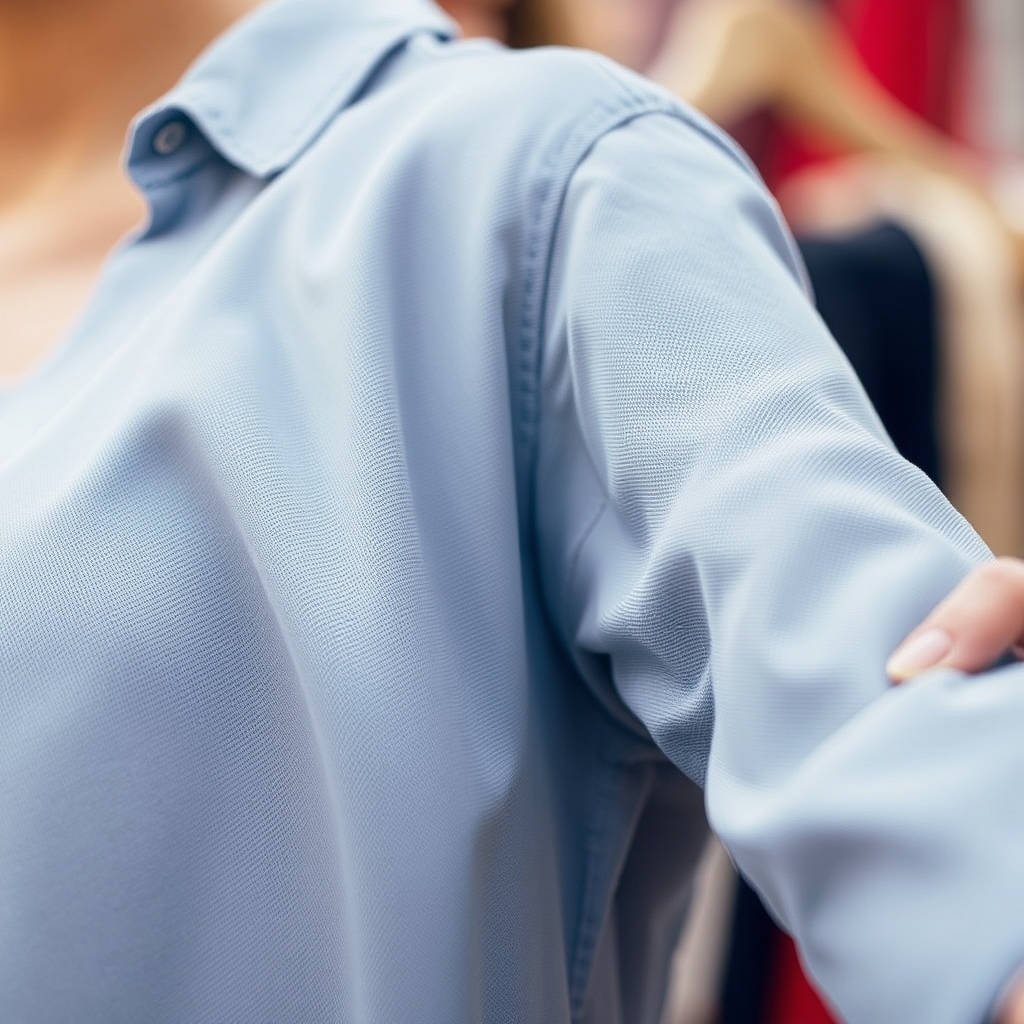
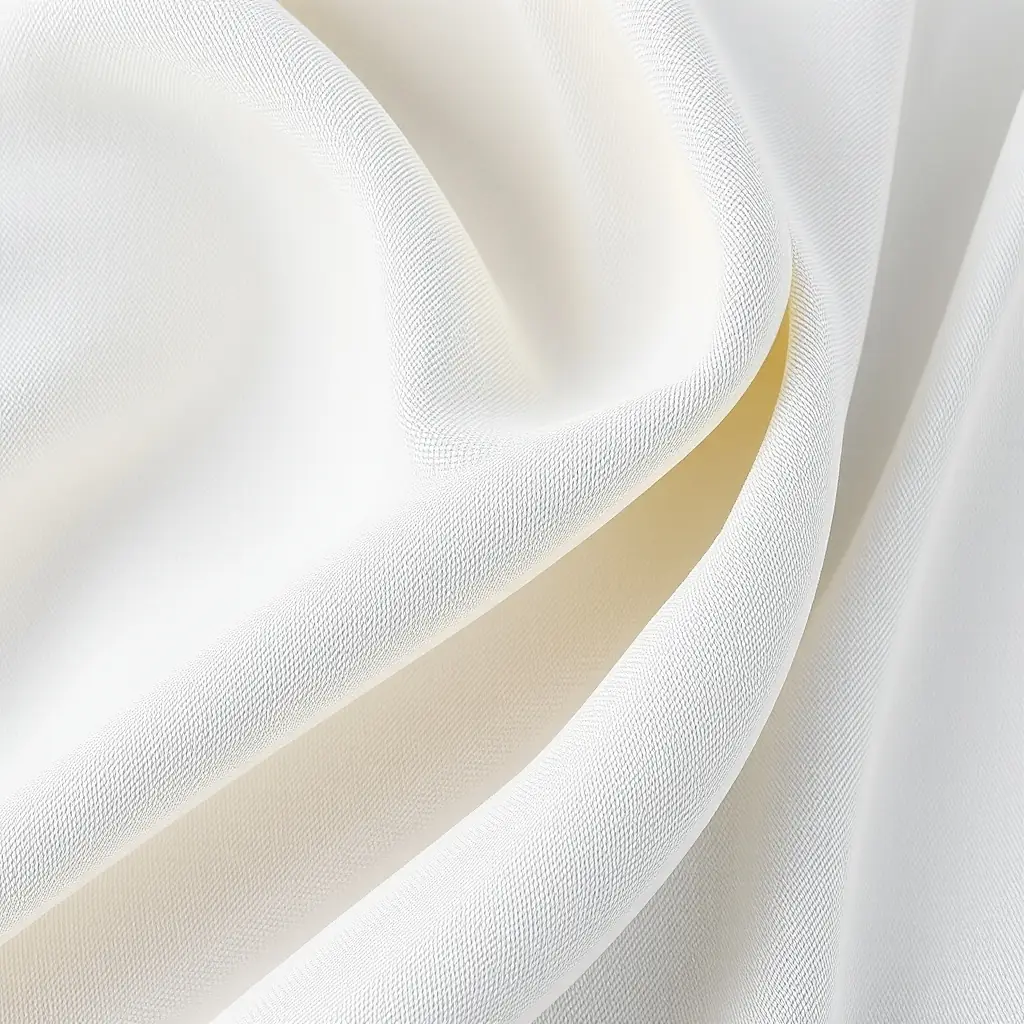
When I’m scouring sales racks, fabric quality is my first checkpoint. Not all sale items are a bargain if the fabric doesn’t hold up over time. First, give it the wrinkle test: grab a section of the material, squeeze it in your hand, and see how quickly it wrinkles. High-quality textiles bounce back faster. Then, check for transparency by holding it up to the light. This quick check is crucial for avoiding flimsy fabrics that don’t last. I also run my fingers over the seams to check for loose threads—signs of slipping or fraying indicate poor longevity. Remember, a garment that falls apart after a few washes isn't a saving, no matter the discount. A good fabric feels substantial and smooth to the touch, holds its shape under pressure, and has tightly constructed edges. When you find a discounted piece that fits these criteria, it’s often a sound investment. Even the most discounted item isn’t a smart buy if it won’t survive the season. The thrill of a sale can’t beat the satisfaction of knowing you’ve snagged a piece that will last.
Smart Stitching: The Integrity of Seams
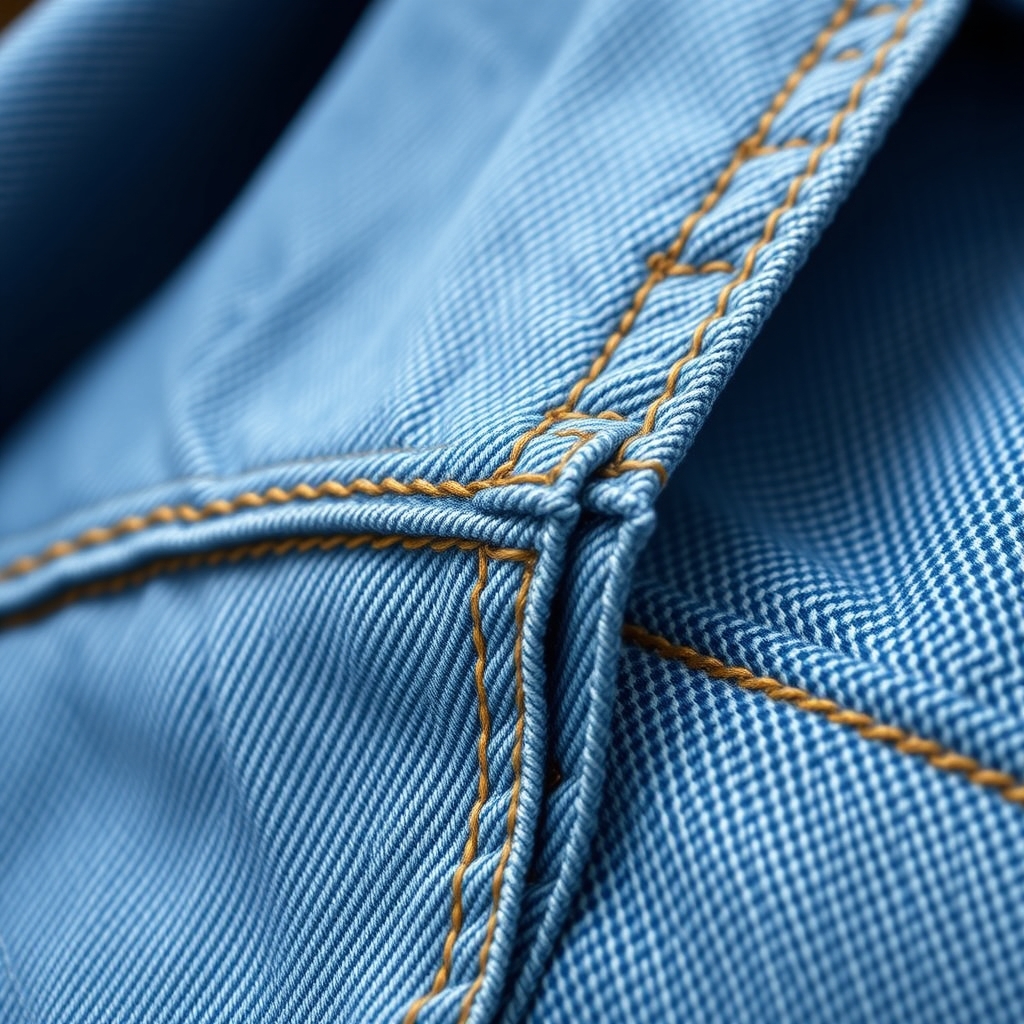
Have you ever bought something on sale, only to watch it unravel at the seams after just a few wears? That's a stitch horror story no one wants to live. So I always inspect the stitches before I hit the checkout. Gently pull the fabric on either side of a seam to see if the stitches hold or if they start to gape and stretch. Well-constructed seams are tight and even, with no gaps or breaks. Take a look inside: the threads should be consistent and neat, with no knots or tangles. French seams or those with bias tape are an indicator of higher quality. A quick look at the zipper area often reveals the overall build quality—zippers should be smooth, without any loose threads or crooked teeth. Lastly, inspect any buttonholes; frayed edges or loose threads can signal a less reliable fastener. Discounted items can sometimes skimp on these details, which is why I always take a moment for this quick check. Remember, quality stitching ensures durability, making it hard for trends to wear out your wardrobe before the clothes do.
The Cost-per-Wear Equation
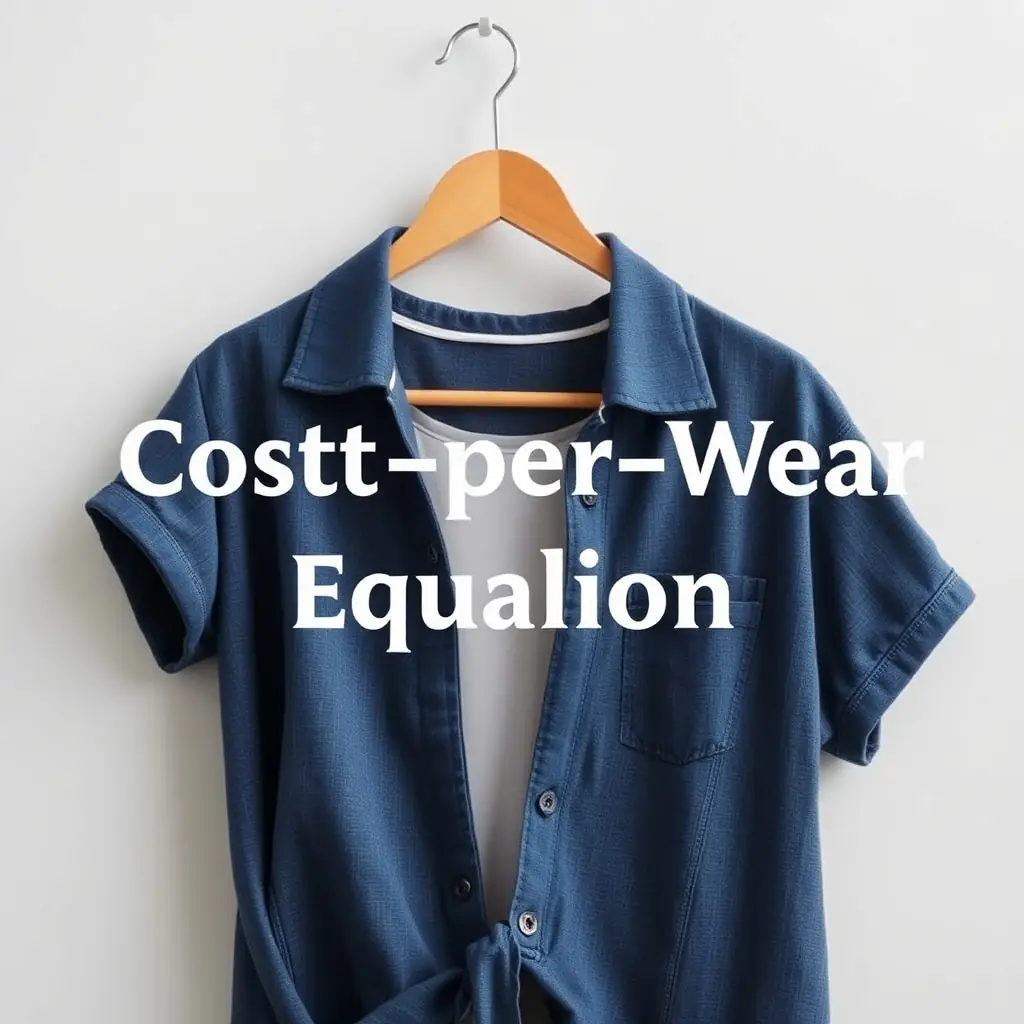
Calculating cost-per-wear might sound tedious, but it's a vital part of my sale strategy. It’s simple: divide the item’s price by the number of times you realistically expect to wear it. An $18 top might seem like a bargain, but if it only works for certain occasions, and you wear it twice, that’s $9 per wear. Contrast that with a $50 versatile piece that suits a variety of events and outfits that you’ll realistically wear 20 times—now it’s $2.50 per wear. That’s where the real value lies. I apply this formula to my staples—those items that I wear repeatedly like plain tees, jeans, and neutrally-toned blouses. It’s these foundational pieces that I consider worth investing a bit more in, because they’re the backbone of a versatile wardrobe. Similarly, trendy, bold patterns often don’t pass the cost-per-wear test unless they’re on deep discount. In the end, a smart buyer focuses as much on potential usage as on the sticker price. That’s where true savings reveal themselves—not just in what you spend, but in what wears best over time.