Inspecting Fabric for Value
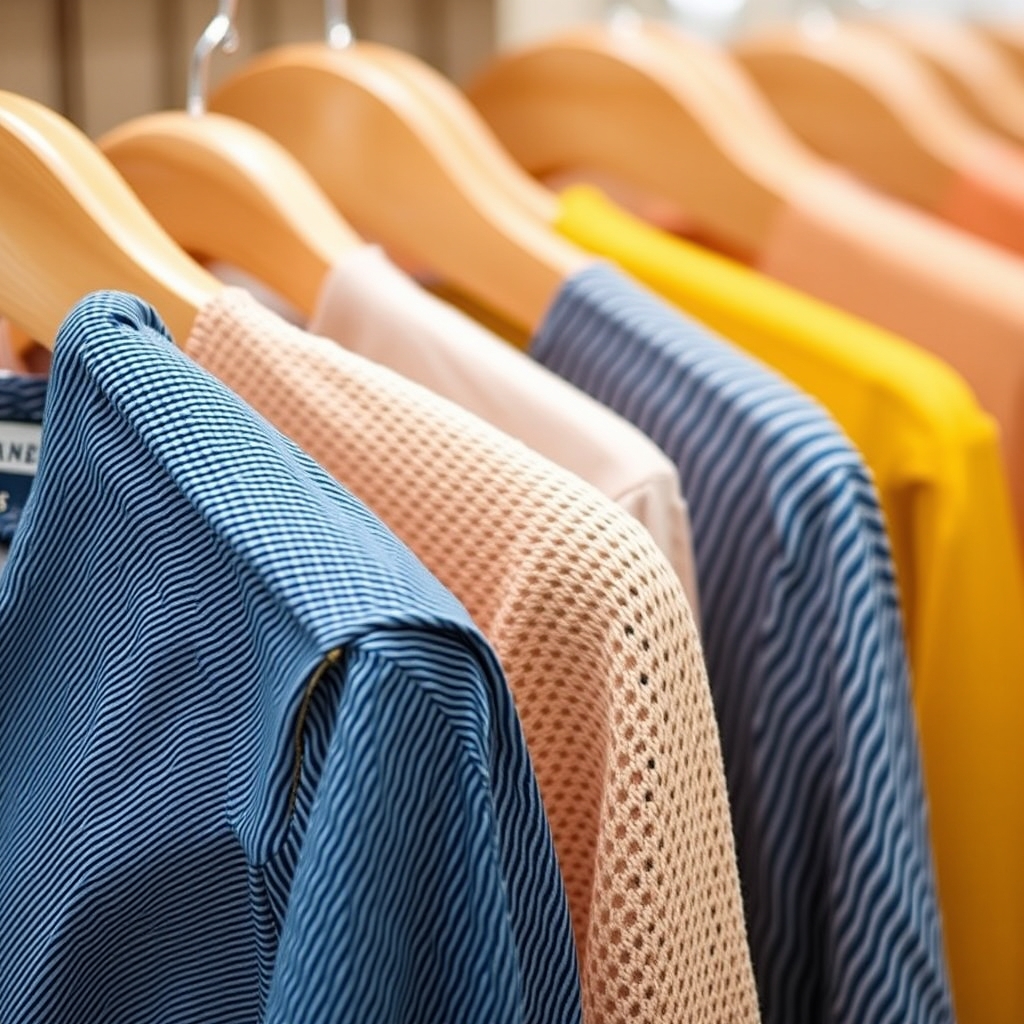
When you're faced with a too-good-to-be-true price tag on a piece of clothing at Walmart, the fabric is the first thing to examine. Fabrics can make or break the longevity of an item, so understanding what you're getting into is key. Start by feeling the material: natural fibers like cotton or wool have a heft and warmth that synthetics often lack. While synthetics like polyester are durable, they can pill over time, especially at high friction points like elbows and underarms. Don't be afraid to give the garment a light stretch and see if it returns to its original shape. This elasticity can indicate long-term wearability. Check the care label as well; if an item boasts wash-and-wear convenience, that's a huge plus over something dry clean only. Remember, sales often happen when trend items fade out—so ask yourself if you'll still love the piece in six months. Don't shy away from wholesale mix fabrics at reduced prices; they can be a hidden gem if thoughtfully selected. The key is to recognize the value the material provides in comparison to the cost, ensuring you snag a deal and not just another piece headed for donation.
Stitching and Fit: Hidden Costs
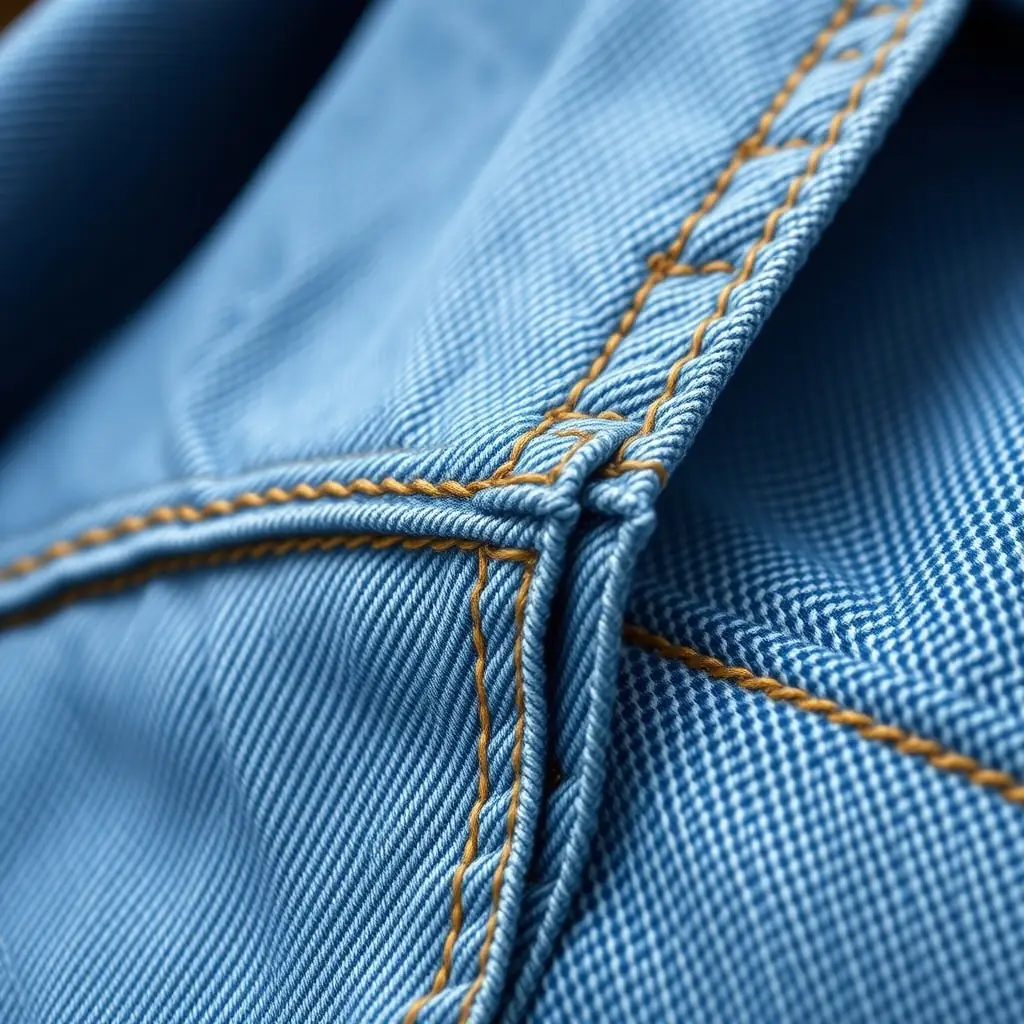
Next, it's critical to examine the stitching and fit, as these aspects reveal a lot about a garment's quality and if a sale price is indeed a good deal at Walmart. Look closely at the seams. A loose thread or uneven stitch can indicate a poorly made item that will fray with a few washes. Double-stitched seams are a strong sign of quality, ensuring the piece will hold up. Flip the clothing inside out and inspect where sleeves and pants meet the body of the garment; these areas endure the most stress and should have reinforced stitching. Regarding fit, try it on even if it's not your exact size. Discounts often come in irregular sizes, so this could be an opportunity for a custom fit with minor alterations. Move around in it—squat, sit, and reach. If something pinches or pulls, consider the cost of alterations. While some basic tailoring tasks can be done cheaply, others might cost more than you save. Remember the concept of 'cost per wear': a garment that fits well and will last years is a better deal, even if it's slightly more expensive upfront. It's all about ensuring the sale doesn't turn out to be more expensive in the long run.

Cost Per Wear: Worth the Investment?
Evaluating a discounted item's cost per wear is vital when shopping Walmart racks. The more you wear and love an item, the less the cost per wear over time. Start by considering wardrobe staples versus trend pieces. A basic white shirt might seem cheap and cheerful, but if it can be styled multiple ways, the cost per wear diminishes significantly. A trendy neon blouse might just sit at the back of your closet after one season – even at a sale price, was it worth the spend? Another consideration is the initial price versus sale price. A high-quality coat initially marked at $100 but reduced to $60 during a sale provides more lasting value compared to a cheap $30 coat with single-season wear. The aim is to invest slightly more in timeless pieces like blazers, dress slacks, and quality denim that withstand seasonal fluctuations. Evaluate the garment’s versatility in your wardrobe: if it works across all seasons and multiple outfits, it's a worthy investment. Keep this in mind, and the decision to purchase that sale piece should become clearer, ensuring smart buys only enrich, not complicate, your fashion options.