Fabric Checks: Telling the Good from the Bad
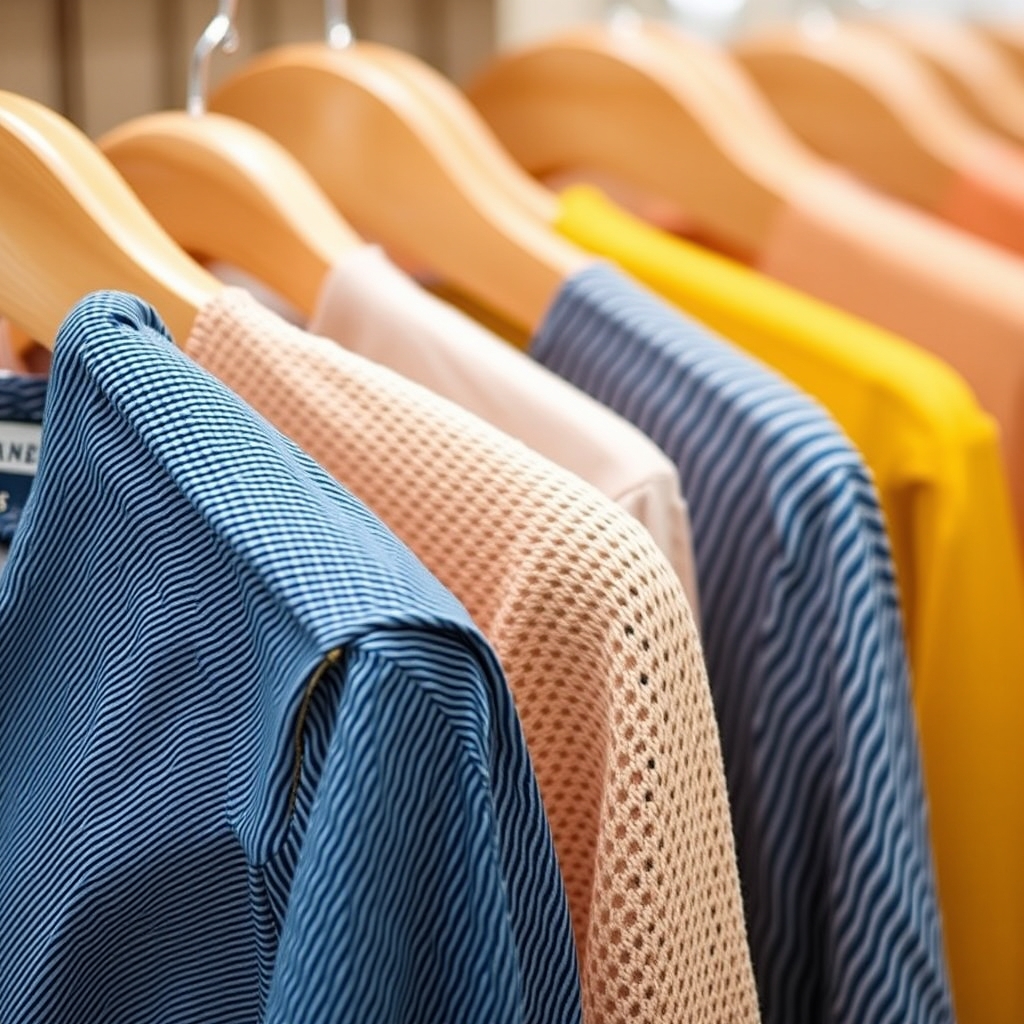
When you're eyeballing a discount rack, your first line of defense is checking the fabric. I'm talking about the tactile feedback you get when you touch the material. High-quality fabrics feel substantial and luxurious, even when discounted, whereas cheaper materials often feel thin or flimsy. I've learned to trust my fingers to guide me through the choices, running them over a sweater's yarn or the weave of a cotton shirt. Stretch it slightly; good weaves should return to their original shape quickly. A slow recovery or a stretch mark is a big red flag. Laying a garment over your arm not only gives you a visual of how it will drape on you but also exposes any hidden flaws like uneven hems or subtle holes. Natural fibers like wool, cotton, and silk are generally more durable and worth a higher price tag, while synthetics have their place in trendy, fleeting styles. Each minute spent feeling fabrics pays off by avoiding clothes that wear out after a few washes. So, don't just trust your eyes; let your other senses weigh in on whether this piece deserves a spot in your closet.

Stitching and Fit: The Tailoring Test
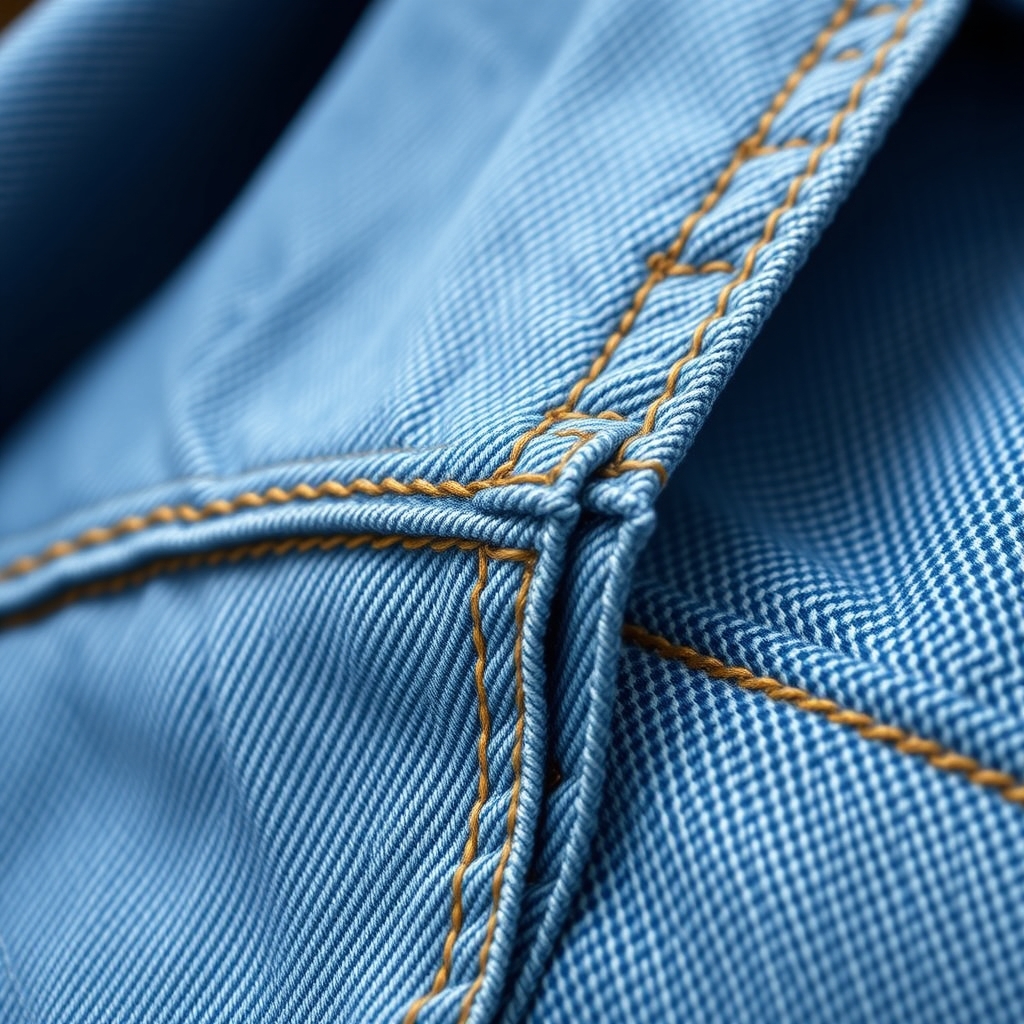
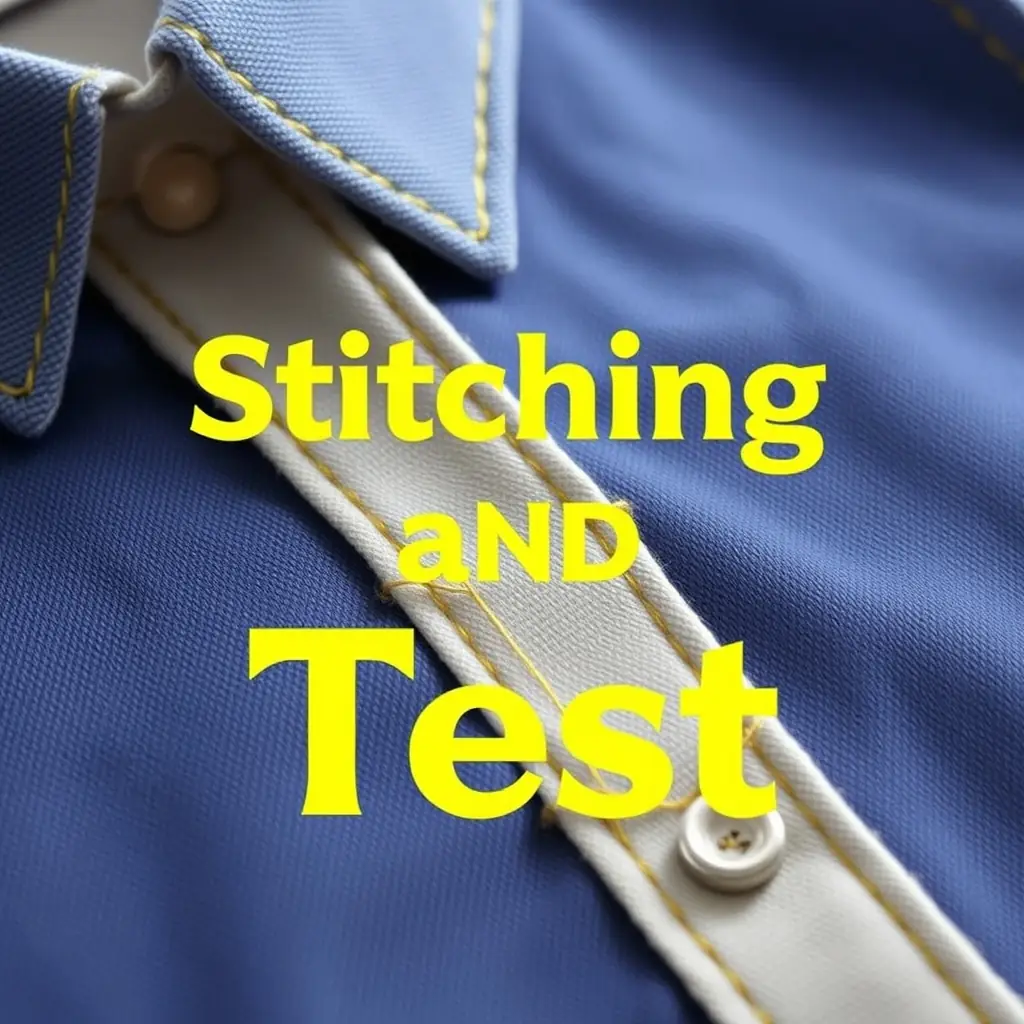
I've lost count of how many times seemingly perfect garments fall apart at their seams. Checking the stitching is an often-overlooked but vital step. Flip a shirt inside out to inspect for consistent stitching lines. They should be straight, taut, and without loose threads. Poorly stitched garments often unravel, defeating any perceived discount 'win.' Next, let's talk fit. It's tempting to snag something that almost fits in a sale, promising ourselves we'll diet or alter it later. Don't do that. A garment should feel like it's made for you right off the rack. Try it on, walk around, sit down, even raise your arms. Pay attention to the shoulder seams; they should align with the tip of your shoulders. The waistline mustn't gape or tug, and the fabric should complement your natural shape. It's a real art to judge whether a fit is right, but investing time up front saves costly alterations or unworn clothes collecting dust in your closet. So, sizing is more than numbers; it's how a piece moves with you.
Cost Per Wear: When to Spend More
Ever splurged on a pricey garment and felt a mix of guilt and elation? It's what I call the 'cost per wear' calculation. This practice involves estimating how often I'll wear a piece over its lifetime to justify the upfront expense. A well-constructed blazer may have a hefty price tag, but if it's worn consistently through work meetings, date nights, and casual outings, it might cost less per wear than your fast-fashion t-shirt that fades in two washes. Classics like tailored black pants or a white button-up shirt fall into the category of 'worth splurging on.' They're timeless and versatile, offering more styling options with what you already own. In contrast, trend pieces, bright patterns, or anything you'll wear only to specific occasions might warrant the discount rack or mid-range options. By applying cost per wear to your decision-making process, you're not just saving money, you're investing wisely in your style for the long haul. Remember, savvy shopping is not about spending the least, but about making purchases that truly serve you.