Understanding Fabric Quality
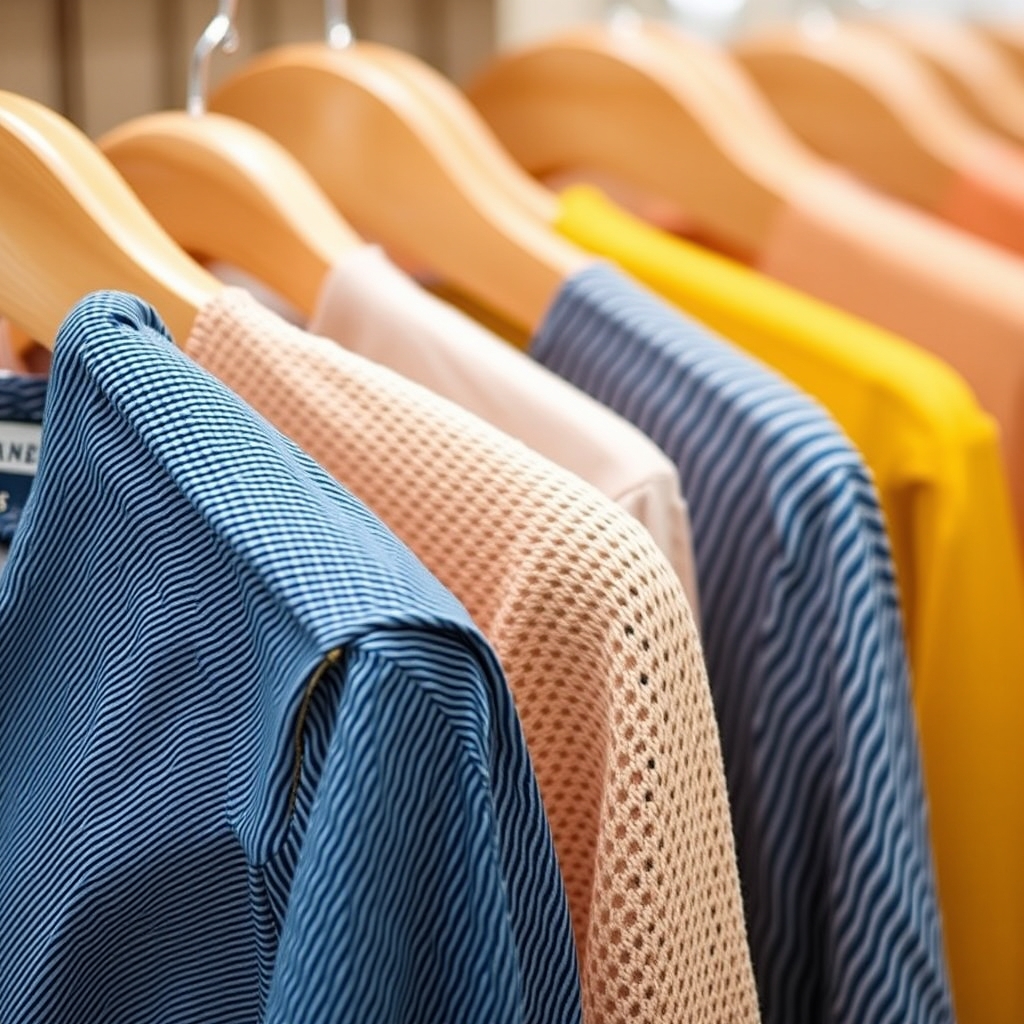
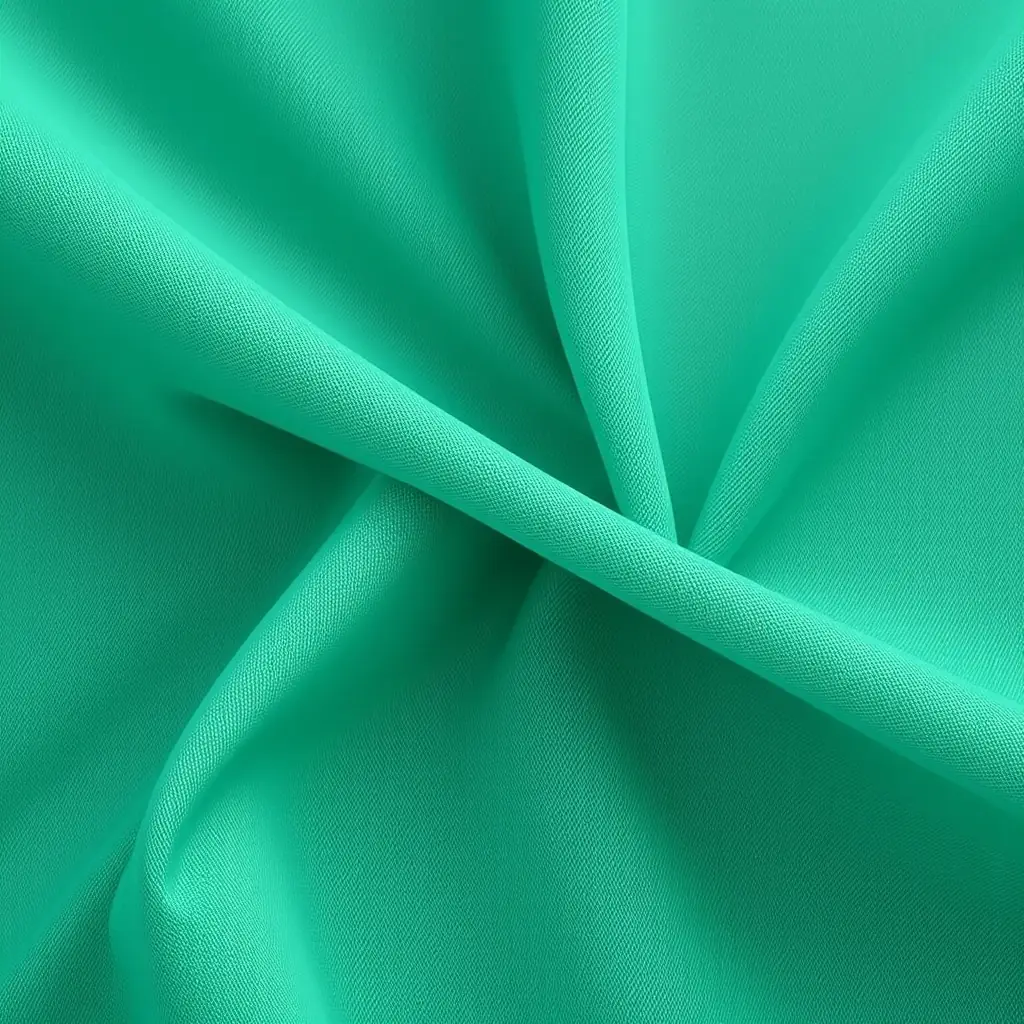
When diving into the whirlwind world of fashion sales, the first thing I inspect is the fabric quality. The fabric's composition plays a huge role in the garment's durability and comfort. Firstly, check for natural fibers like cotton, wool, or silk, which generally wear better over time. When holding the fabric up, make sure there isn't excessive sheerness, unless it's intentional, as that's often a sign of cheaper material. A simple wrinkle test can also reveal a lot: scrunch it to see if it bounces back or stays crumpled. A good fabric should have some resilience. I vividly recall purchasing a discounted blazer simply because its wool fabric felt sturdy, and years later, it remains a wardrobe staple. Fabric quality might seem like a minor detail, but it’s the foundation upon which any great outfit is built. A fashionable piece can quickly become unwearable if the fabric starts to pill or sag with one wash. Always trust your hands; feel the fabric, stretch it gently, and make sure it feels right. Recognizing top-quality fabric ensures you're getting a genuine bargain, turning a discount piece into a long-lasting favorite.
The Importance of Impeccable Stitching
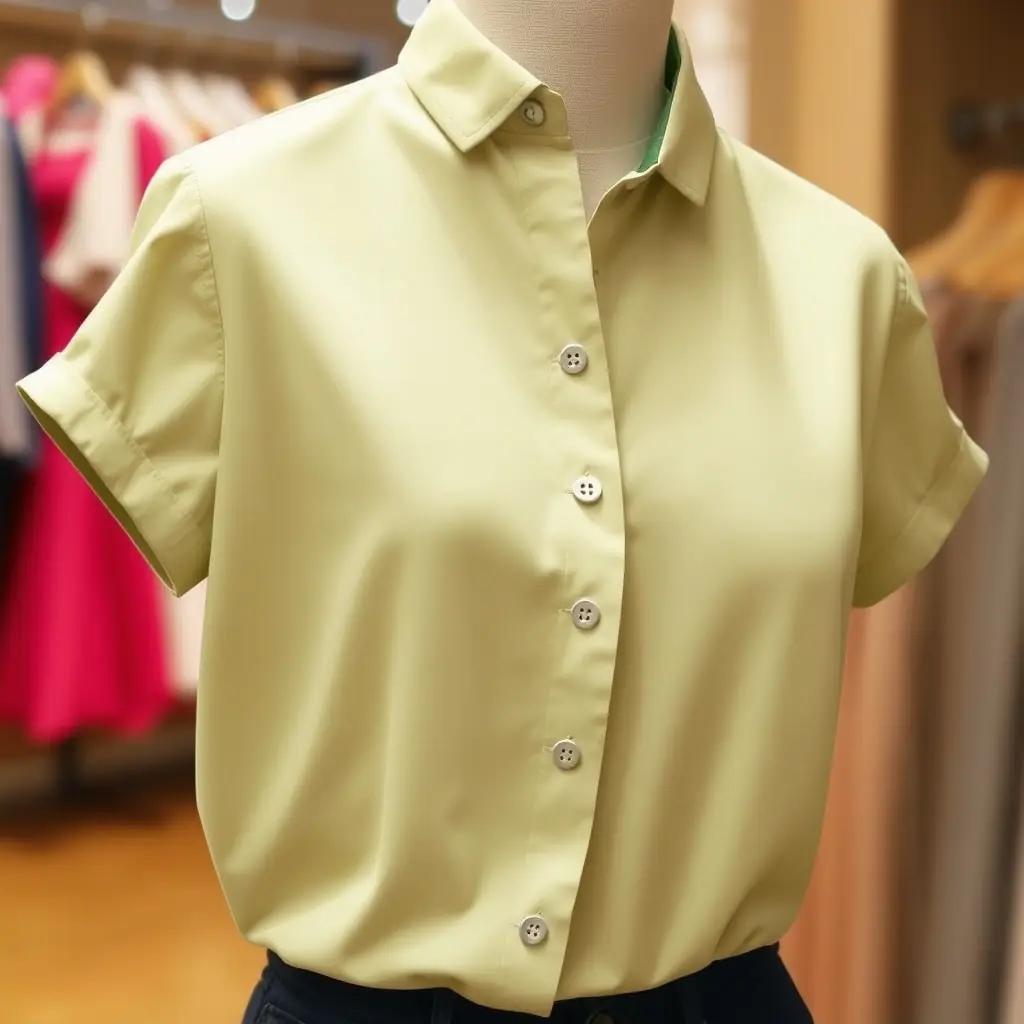
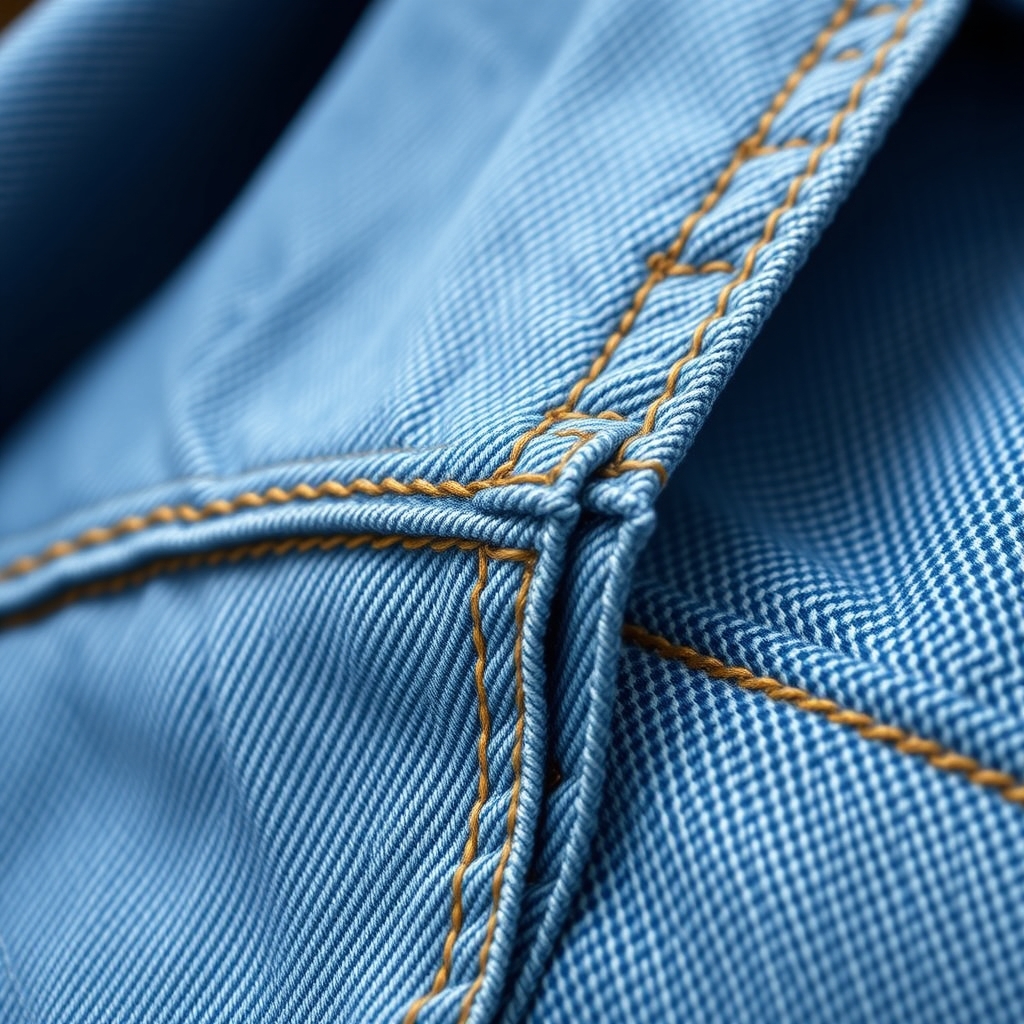
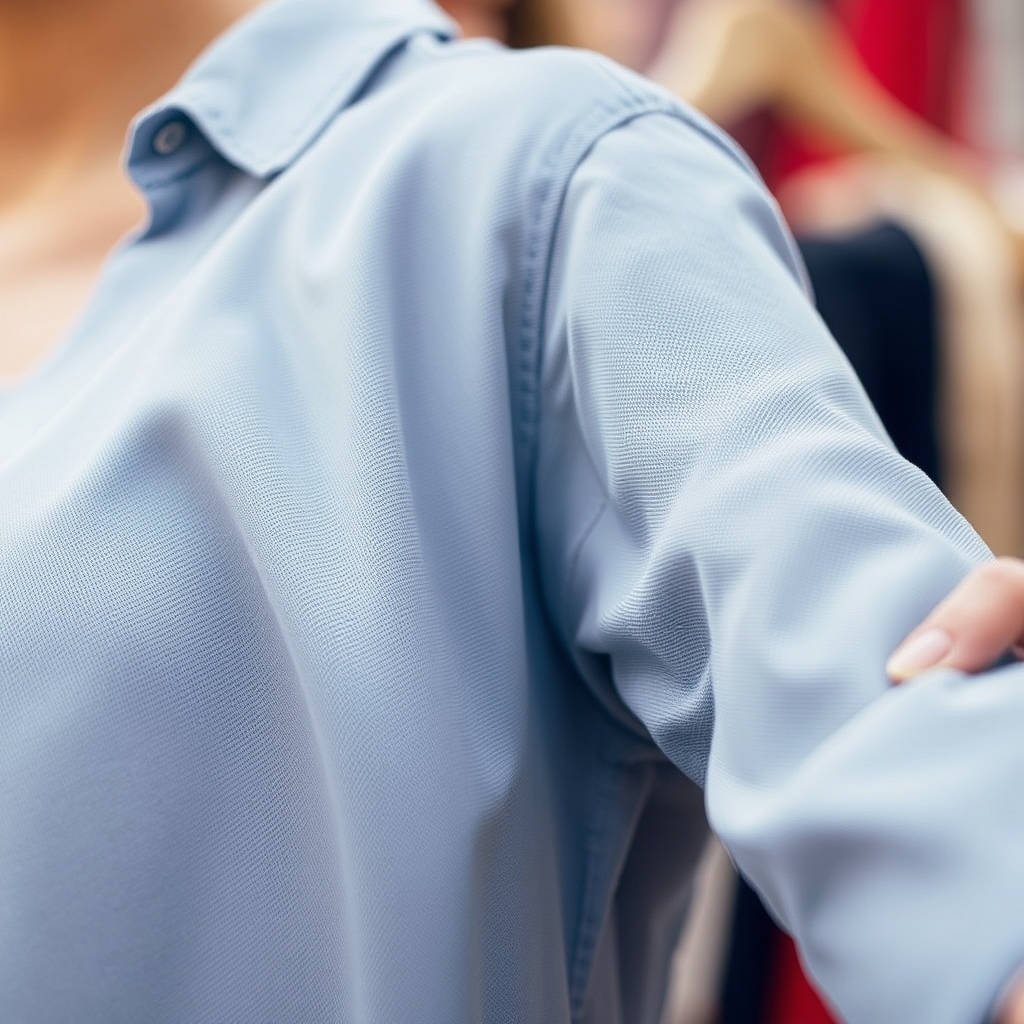
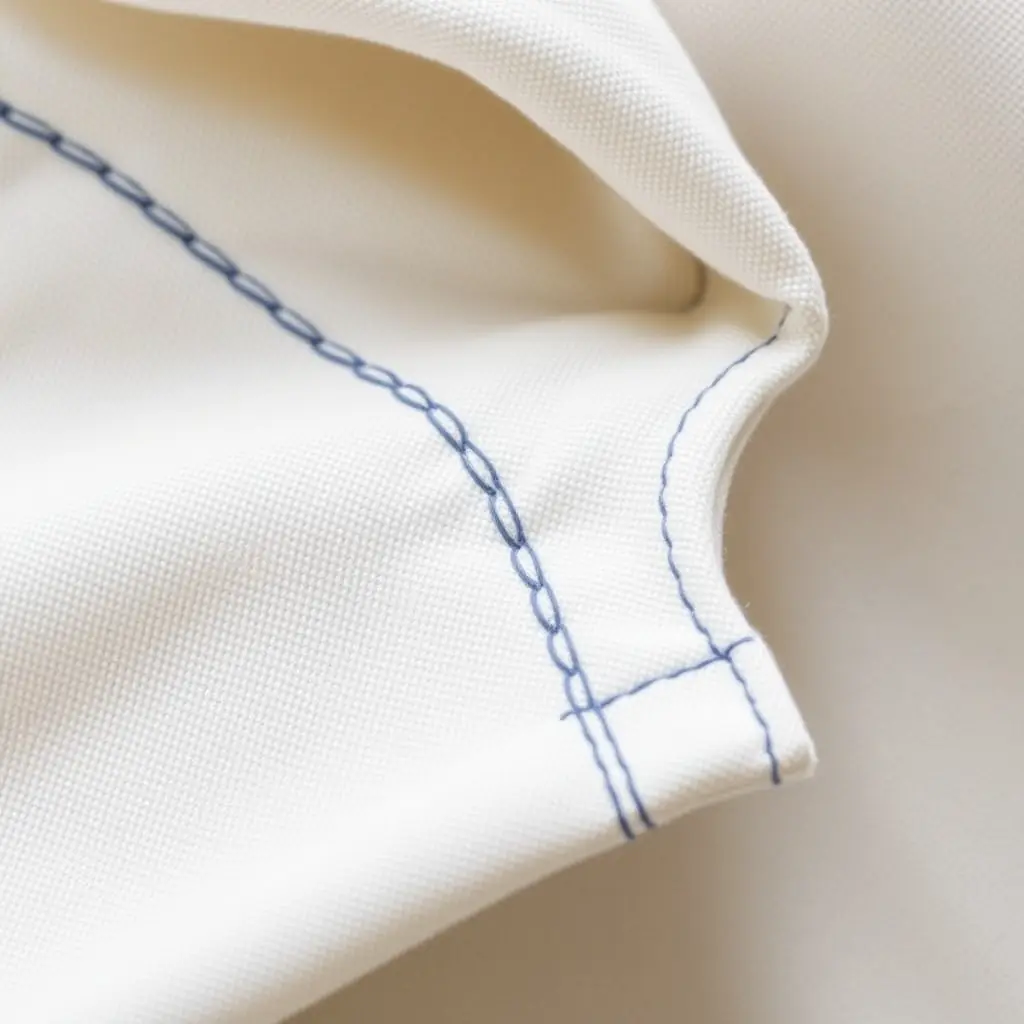
Stitching may seem like nitty-gritty stuff to check on a shopping spree, but it tells you more about a garment than you might think. Check the seams. Tight, consistent stitches are a mark of quality; there shouldn’t be any loose threads hanging out. When I found a cheap cotton shirt last fall, its flawless French seams told me it was no ordinary fast-fashion piece. Always look at the joint where the sleeve meets the main body; this is where stress lays bare any stitching flaws. I once skipped this check, and my shirt's seam gave way during a night out—lesson learned! Hems are another spot; an overlocked hem is often a hint that skimping happened somewhere down the line. A double hem stitch, though, tells a different story—one of effort and quality. And don't just take my word for it. If a tag reveals hints of well-regarded manufacturers or any indication that the piece collaborated with skilled artisans, it's worth more than its sale price suggests. Identifying these nuances guarantees your purchases don’t just capture attention—they withstand the test of wear and tear.
Evaluating Fit for Long-Term Wear
You'd be surprised at how often a seemingly trivial detail like fit can make or break a smart purchase. When I'm at a store, looking at offers that seem too good to be true, I make it a point to always try the item on or at least visualize it against my frame. Pay attention to high-stress areas such as shoulders, bust, and waist. The 'rule of thumb' I use is ensuring at least an inch of 'ease' or comfort space so the fabric can drape nicely without being overly snug. When deciding if it’s worth a buy, I picture how the piece might layer with staples I own. An eventual mismatch might mean shoving a fabulous, if ill-fitted, dress to the back of my closet. Investing in a tailor can also be wise. A precise nip and tuck here and there cost me an extra $20, but ensured that vintage leather jacket fit like a dream. Remember, even the trendiest pieces become a liability if they spend more time in your closet than on you. Trust your instincts and always lean towards a garment that fits you now, or can be adjusted. Fit forms the touchstone of true Wardrobe Classics.