
Inspecting Fabric: The First Impressions Matter
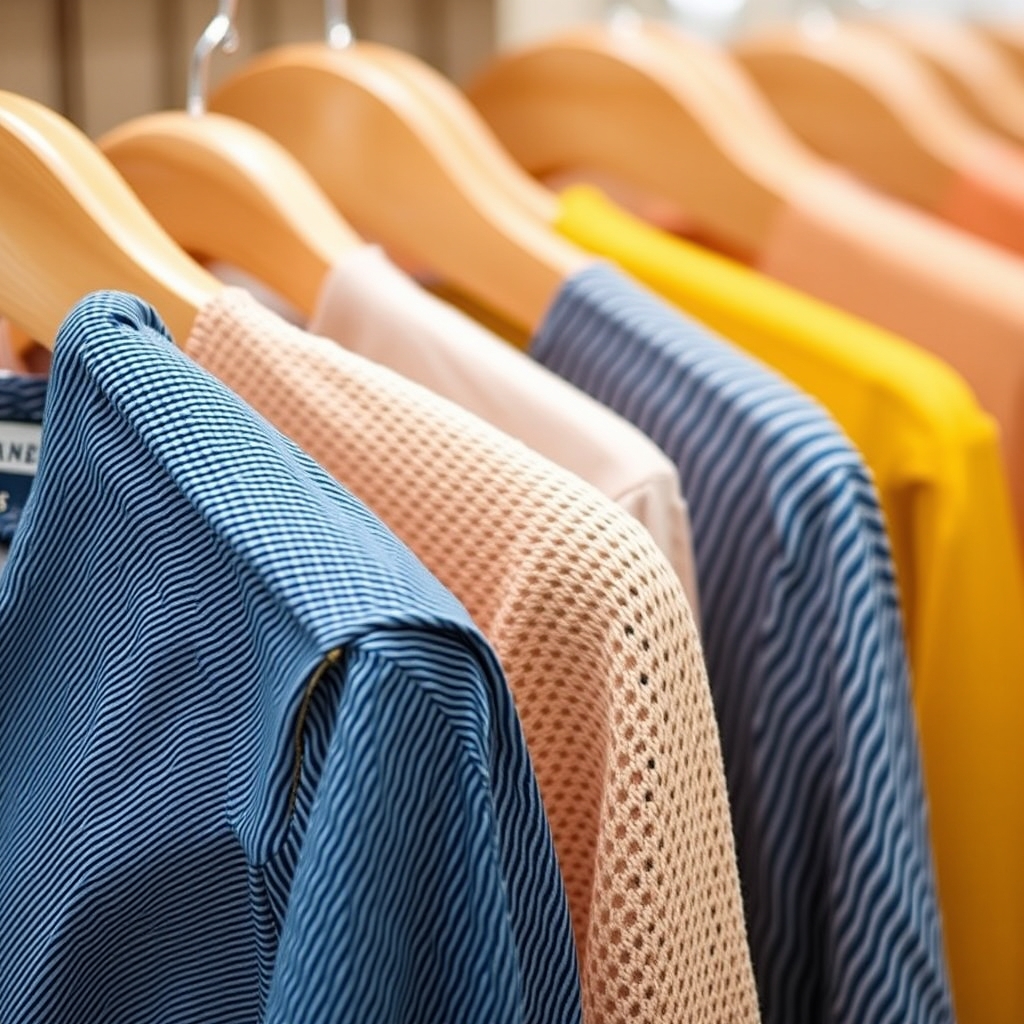
When I’m shopping for music-themed apparel, my first checkpoint is the fabric. It’s easy to get swayed by a striking pattern or a bold design, but fabric quality is where the real value lies. I gently stretch the fabric between my fingers and let it go to see if it retains its shape—a quick elasticity test that tells me if it’s made to last. Cotton blends typically offer durability and comfort, whereas synthetics might lend a sheen or stretch but often don’t hold up well in the long run. If it's wool or cashmere, I take a closer look at how tightly the fibers are woven, as that reveals not only the warmth it can provide but also its potential longevity. Stiffer fabric sometimes indicates a heavy use of sizing—a kind of finish that makes flimsy material feel better than it ought to—and can lead to disappointment after the first wash. Feel isn’t the only sense involved; shift the fabric under light to spot any shade changes or thin spots that might reveal themselves when worn. A little scrutiny here can save costs on replacements down the line and add timeless pieces to your wardrobe.
Stitching the Story: It's Not All in the Label
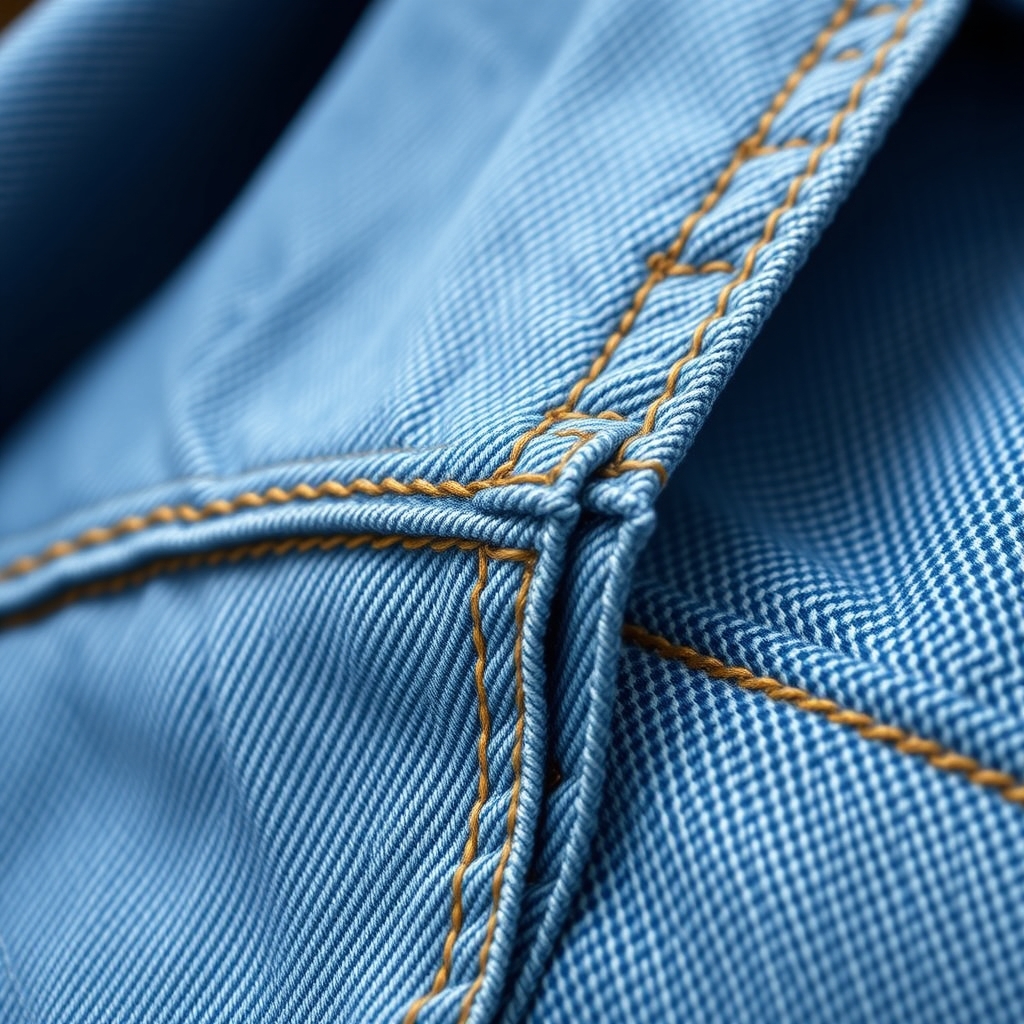
Looking beyond the label, the integrity of a shirt or jacket lies in its stitching. This tells me straight away if the designer focused on longevity or if the piece is purely about aesthetics. I check the seams by pulling them slightly apart to see how well-stitched they are; tight, consistent stitches are what I’m after. A chain stitch, often found in vintage styles, is robust, but if a single thread breaks, it can unravel the whole seam—important to think about if you’re choosing vintage-inspired buys. I like to see double-stitched hems in casual shirts, offering a neat finish. These tiny details mean the piece won’t start fraying after a couple of wears and withstands season after season of styling. Buttons are another indicator; if they're loosely attached, leave some room in the budget for repair kits or reattaching costs. A quick look inside garments, even checking if patterns match up at seams, can mean the difference between something that adds purpose to your collection and something that’s relegated to weekend chores. The integrity beneath the surface can be the strongest selling point for a garment that pays you back in compliments.
Cost Per Wear: The Real Value Metric
I’ve learned the hard way that cost per wear is a critical concept in evaluating an item’s true value. An eye-catching $100 jacket might seem steep until you realize you're wearing it for years across all seasons. To assess this, I keep a mental tally of occasions where the piece will come out and divide the price by anticipated wears. Suddenly that jacket becomes less an expense and more an investment. Certain wardrobe staples like a perfectly tailored white shirt or classic denim are worth spending more on because their per-wear cost drops significantly given their versatility. Meanwhile, trend items, while tempting, typically earn less frequent outings, so it’s smarter to go budget-friendly here. The aim is not to skimp on quality but to be strategic about where you allocate your budget. The more you wear it, the less each wear costs, bringing value that’s both fiscal and personal. Strategically layering these insights ensures you’re building a wardrobe that’s not just about appearance but durability and satisfaction, making every purchase a truly wise buy.