Evaluating Fabric Quality
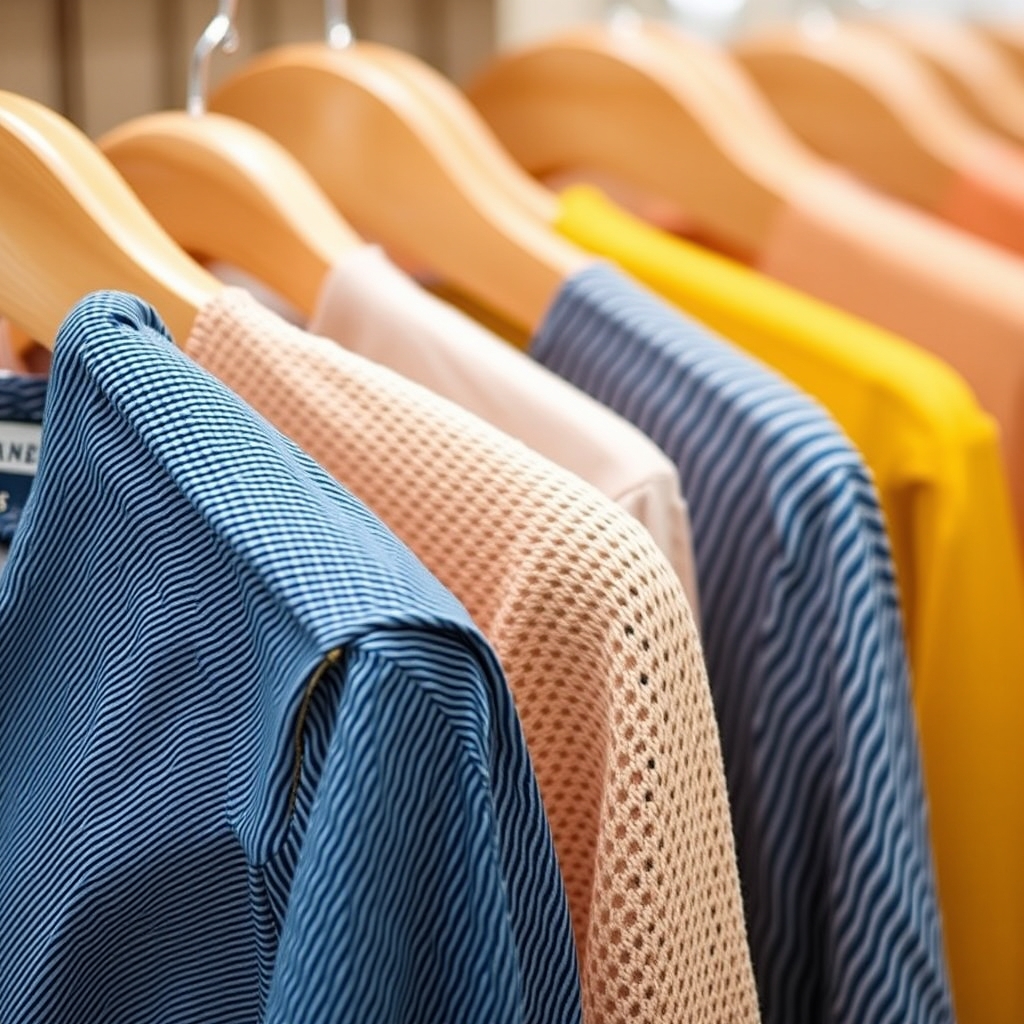
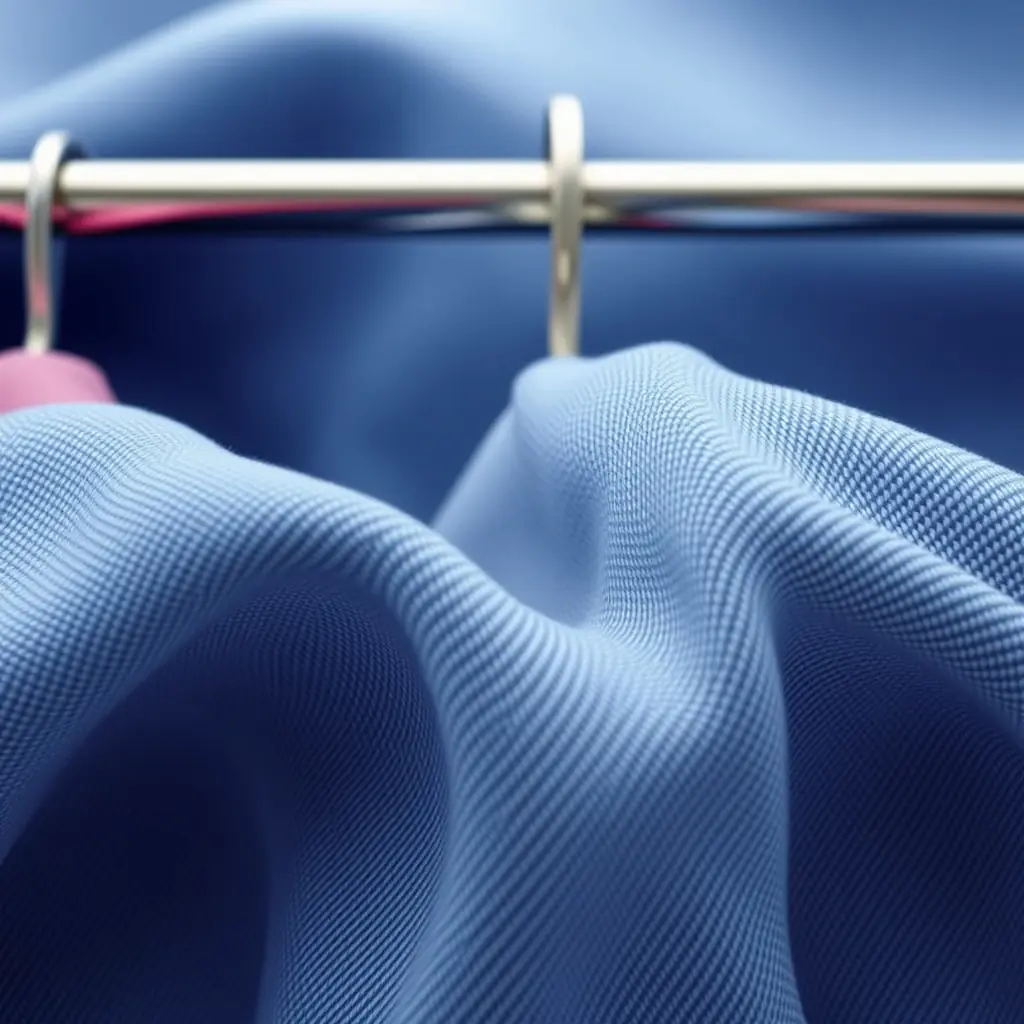
When shopping for discounted clothing, the first thing I inspect is the fabric. I'd rather have a closet of fewer, high-quality items that wear well over time than an overflowing collection of disposables. Start by feeling the fabric; a good quality will usually have a heavier drape and a smooth surface. I often grab the item and scrunch the fabric in my hand to see how it reacts. If it bounces back without holding the crunch, you might be onto something reliable. Be wary of items that feel thin or prone to snagging; they often don't hold up well to repeated wear and washing. If you're buying online, check the material composition list. Natural fibers like wool and cotton tend to last longer than synthetic ones like polyester and acrylic. These minor checks can say a lot about a garment's long-term value, even if you're buying it at a fraction of the original price. A side note, though: whenever you come across an unbelievable deal on cashmere or silk, be cautious. These materials, when genuine, maintain their quality but don't come cheap, even in the sale bins.
Inspecting Stitching and Construction
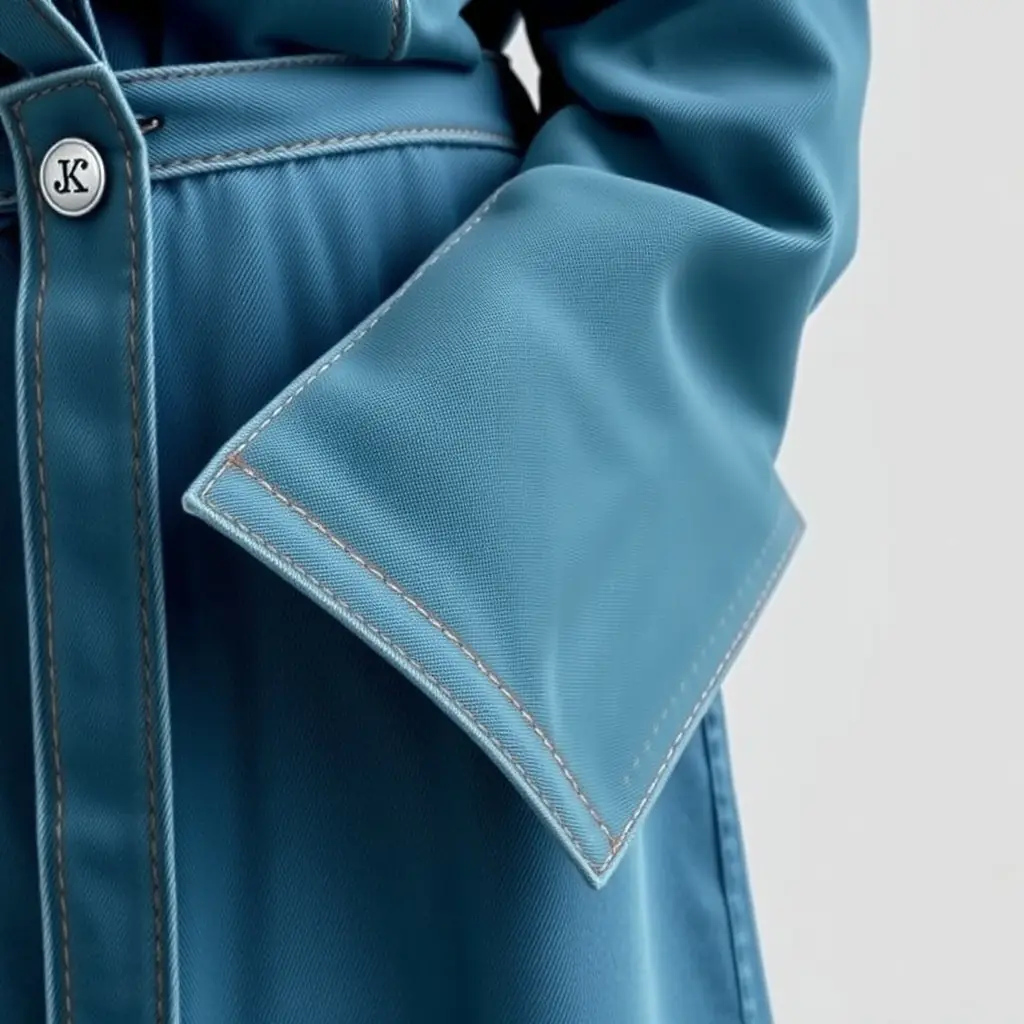
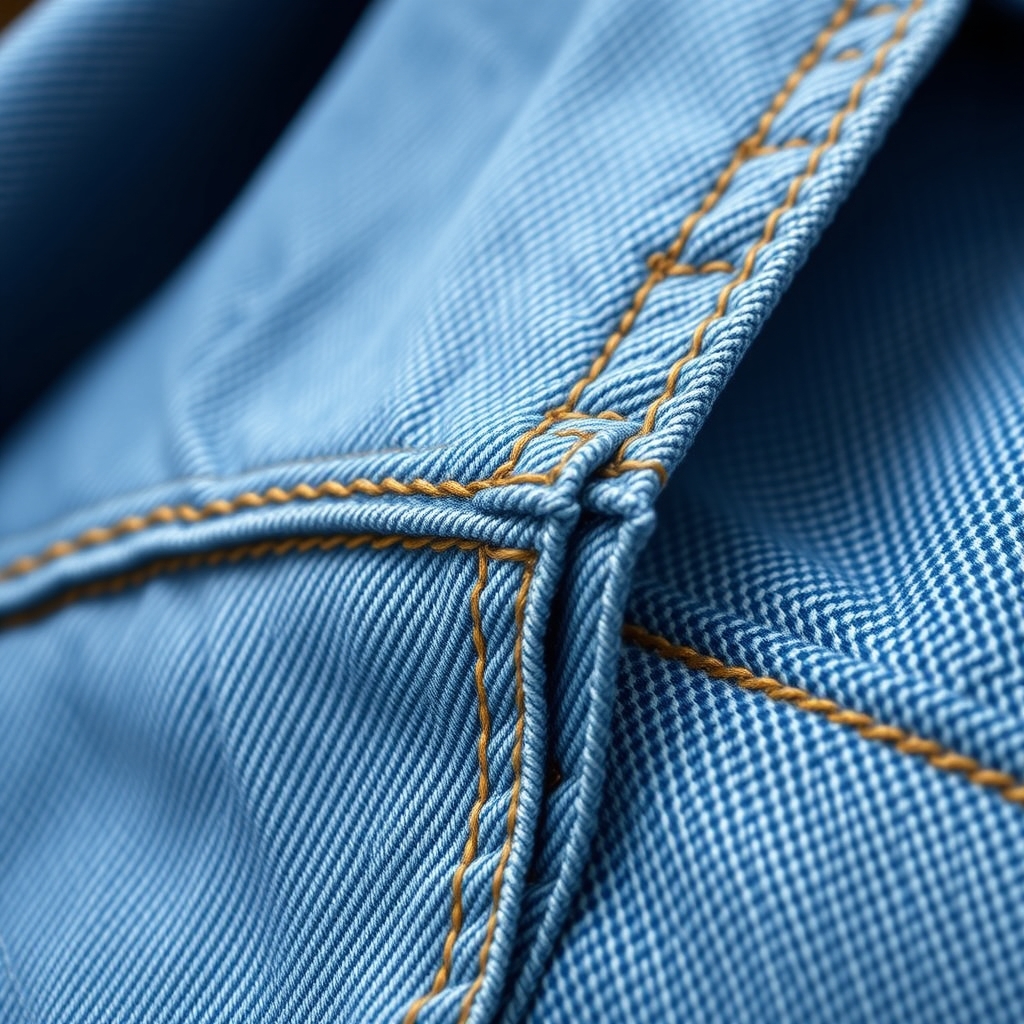
After fabric, the next on my checklist is the garment's construction. Poor stitching can turn even the most luxurious fabric into a miss. First, I look at the seams—are the stitches tight and even? Loose or irregular stitches are an indicator of rushed production, which often means a short lifespan for the wear. Turn the item inside out, where the details often reveal themselves; there, threads sneakily hang loose, waiting to unravel. Check stress points like buttonholes and pockets to ensure they are reinforced. Next, consider the garment's finish: does it lie flat without wrinkling or pulling? Even seams suggest good construction and wear longevity. If you see overlocking that's coming undone or hems that aren't straight, put it back. Such details might seem trivial, especially when tempted by a huge discount, but they significantly affect the piece's durability. Remember, the best bargain is one wearable through seasons, not just one fast on-trend and quick to fray.
Determining Cost Per Wear
The final factor I consider is the cost per wear, a crucial calculation that helps to determine the real value of a discounted item. Here's how I break it down: consider how versatile the piece is—can it be styled in multiple ways or paired with items you already own? The more outfit potential, the lower your cost per wear. I often ask myself: will I reach for this more than once or twice a month? If an item aligns with my style and can transition between casual and dressy looks, it’s usually a winner. Next, evaluate the durability based on fabric and stitching inspections. Long-lasting clothes make better investments even if the initial cost is higher. Divide the purchase price by the number of times you expect to wear it; this simple math can reveal a $60 quality blouse as a smarter buy than a $15 top that barely lasts a season. Flimsy one-hit wonders are thrilling but seldom worth their markdown price.