Navigating Sizing Differences in Secondhand Finds
Shopping for fashion at outlets, thrift stores, and on resale apps can feel like a treasure hunt with its unpredictability. One surprise I often encounter is the variation in sizing across brands and eras. Vintage clothing tends to run smaller than contemporary pieces, often leaving shoppers puzzled. When I pick up a '70s dress, I know it might not fit the same as a modern size 10. It's crucial to carry a measuring tape—vital for measuring bust, waist, and inseam to compare against known favorites. On resale apps, tap into user reviews for guidance on fit; those reviews frequently reveal if items run large or small, especially useful for designer labels notorious for inconsistent sizing. I've also learned to research a brand's size chart online before diving into racks or scrolling endless listings. This prep work saves returns or tricky exchanges, especially since some stores might have stricter return policies on secondhand items. By the way, don't forget the simpler techniques: stretching the garment's fabric in-store gives clues about fit and comfort. This method saved me once when I nabbed a pair of coveted vintage Levi's that looked snug on the rack but fit perfectly after testing the stretch first-hand.

Condition Checks: What to Examine Before Buying
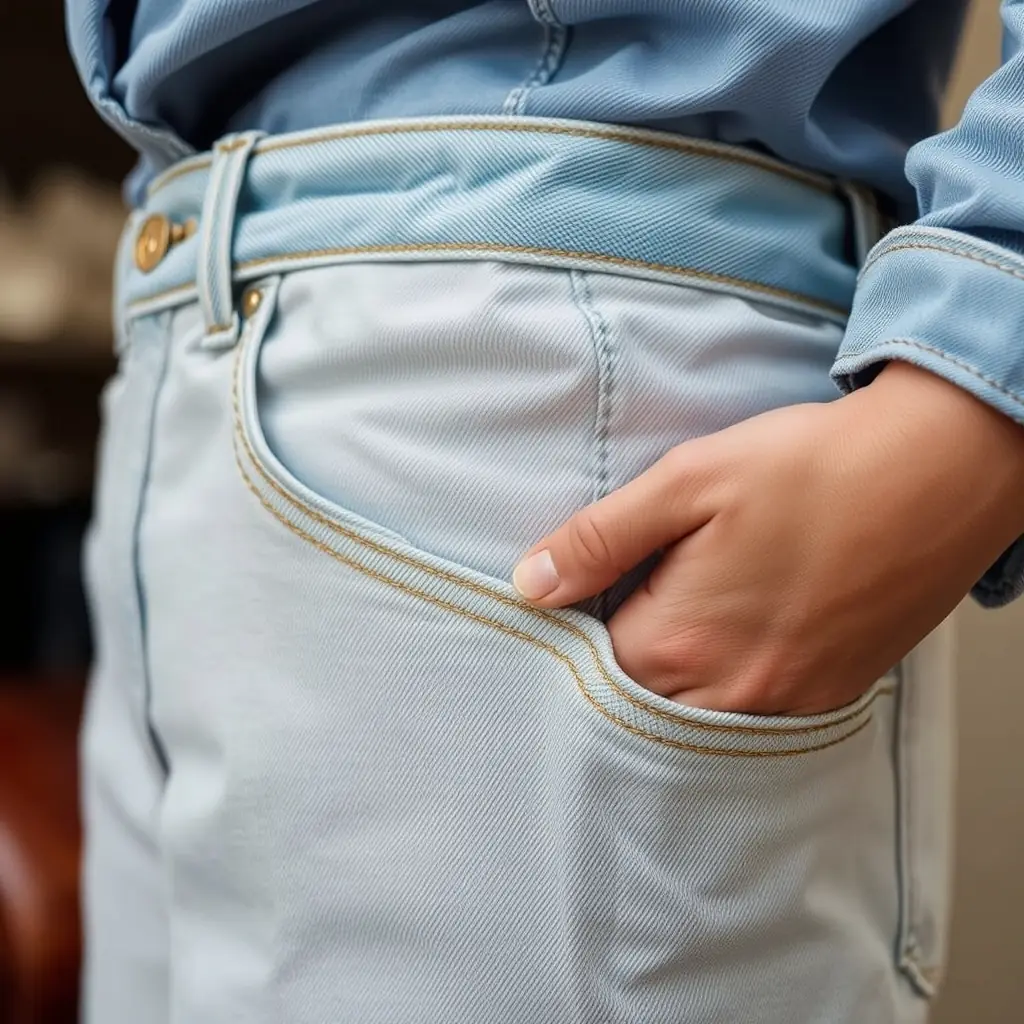
Thrift stores and resale apps teem with sartorial gems, but snagging the good stuff means mastering the art of the condition check. I kick off by zeroing in on fabric integrity, especially if the piece is silk or wool—natural fibers are prone to damage. Close scrutiny under bright light helps spot tiny holes or discoloration. For denim, I work my fingers inside the waistband stitching, feeling for weakness or deterioration, a hidden issue likely to turn into a tear after one wash. Authenticity checks are another rabbit hole: some brands authenticate via laser-etched serial numbers, perfect for confirming first-rate luxury pieces, but I stress that major buys deserve a professional look-over. I learned this the hard way after a 'Chanel' bag turned out questionable under closer inspection. Additionally, odor isn't just residual and mustiness might not wash out, so give the garment a good sniff test, especially leather. Lastly, I always check the zippers and buttons; are they intact? Repairing a vintage piece loses appeal quickly if too many repairs loom. Condition checks are a must-know and spare you the shock of finding a deal that turns into a dud.
Reselling Fashion: Maximizing Your Item's Value
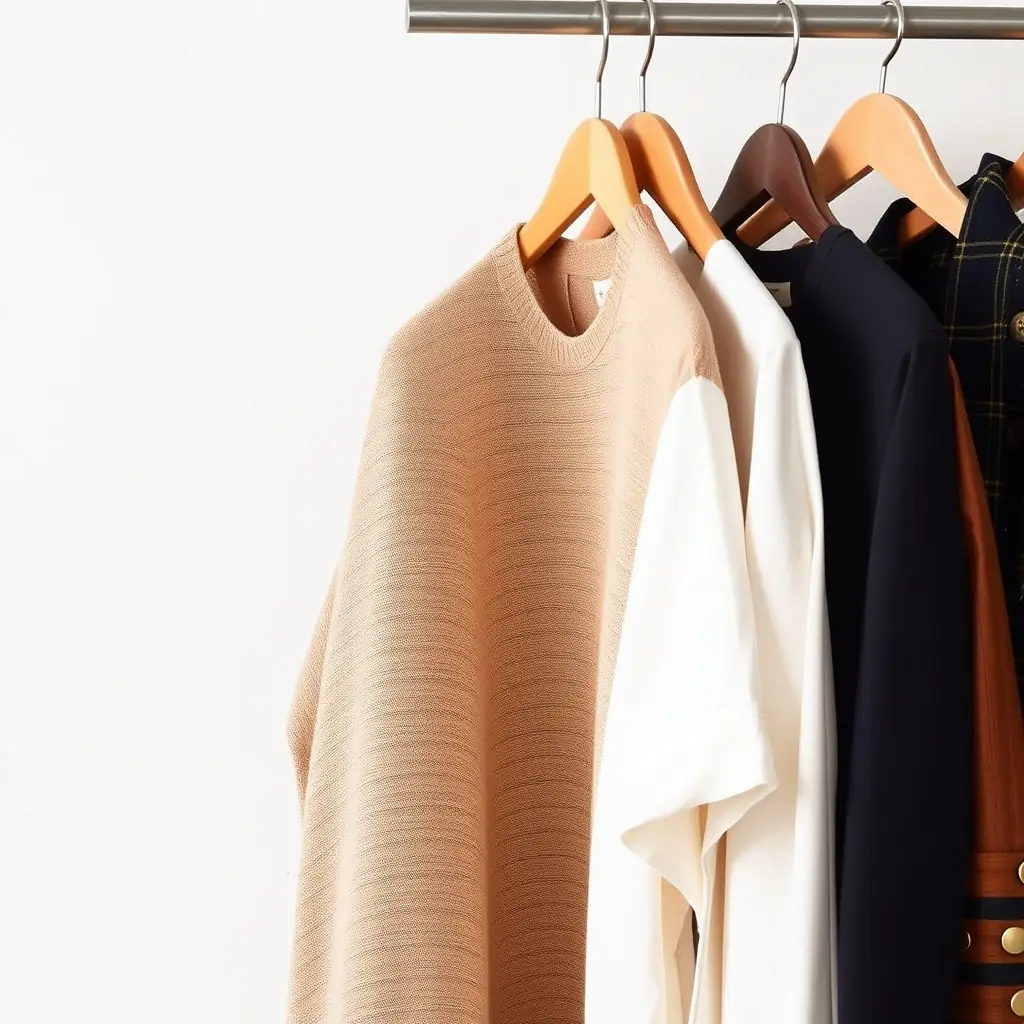
When it comes to reselling my own fashion finds, experience has shown that presentation and timing equal revenue. Listings that flaunt items in crisp, natural light tend to attract more attention. An effortless styling tip: hang your garments against a plain white wall, allowing colors and designs to pop. Do a seasonal declutter; autumn sees strong demand for cozy sweaters and chunky boots, while spring leans toward blouses and lighter garments. I meticulously photograph details—unique buttons, lining, and any brand logos—to authenticate value upfront. I've learned firsthand that descriptions wield power; detailed metadata not only highlights qualities like fabric content and measurements but also preempts buyer questions. Pricing gets tricky, with an average of 20% off retail for near-mint condition—use past sales as benchmarks and gather data on comparable listings. Consider demand and rarity, particularly with vintage or designer items which can fluctuate wildly; I once found a niche for velvet blazers and saw their price soar through careful monitoring. Finally, be proactive; communicate promptly and provide sizing guidance to foster trust—a repeat client is golden. Reselling can genuinely pay remnants of your next wardrobe update.