
Finding Quality in Outlet Stores
Shopping at outlet stores can often feel like a treasure hunt. It's tempting to grab deals without checking details, but patience pays off. One strategy I swear by is inspecting the stitching and seam work of clothing items. Good quality garments will have consistent and tight stitches without loose threads. An overlooked spot is often the underarm area; if seams are already pulling, it might not stand up to long-term wear. Also, check for fabric quality—pilling, thin spots, and color inconsistency are indicators of lower quality. Another tip is understanding the labels. Some brands create exclusive lines for outlets, which may not be up to the same standards as their retail counterparts. It's not always about price; paying attention to these details ensures what looks good lasts beyond a few wears. The satisfaction of finding a well-constructed piece at a fraction of the cost is second to none, but skipping these checks can lead to disappointment when items don't hold up. Learning to spot quality helps you build a wardrobe that's not only affordable but resilient.
Sizing Adjustments in Resale Shopping
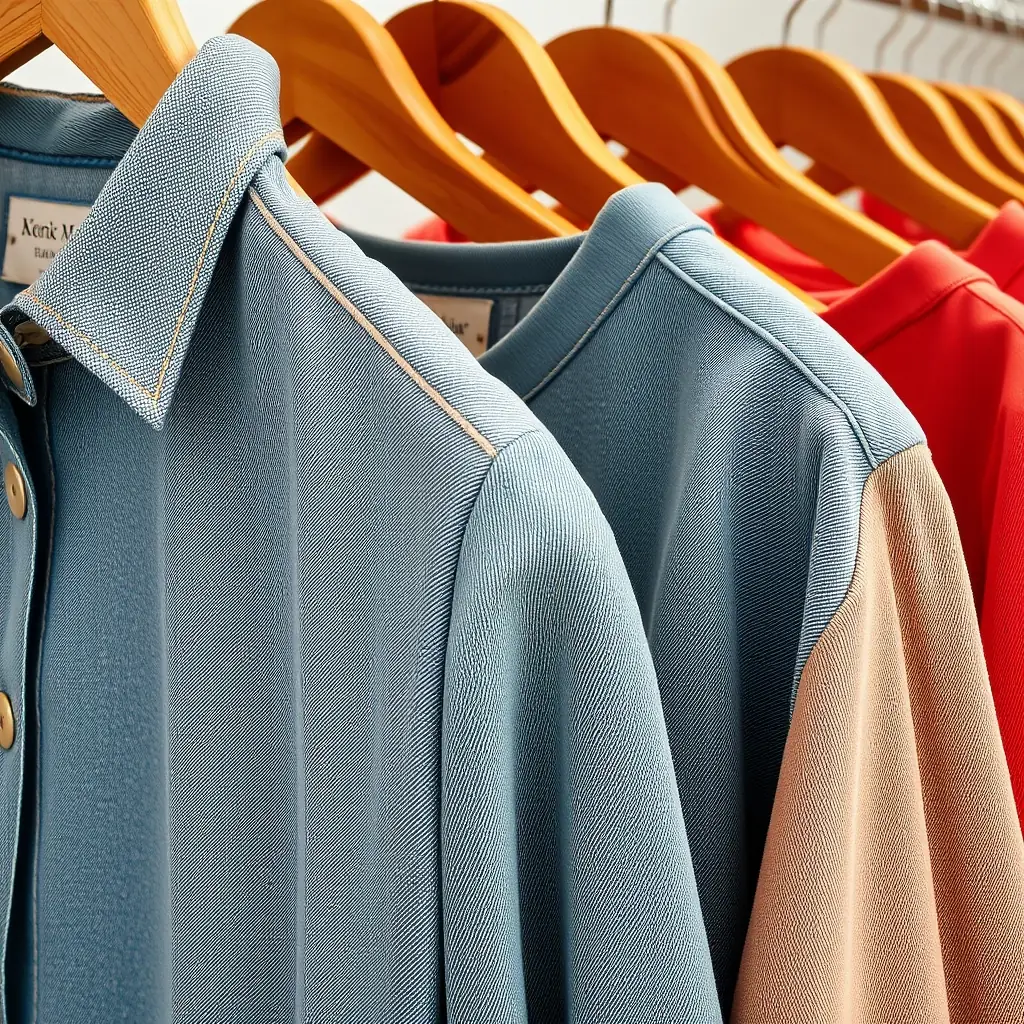
One of the trickiest parts of shopping resale is navigating the sizing differences. Brands vary, and older clothes might have different measurements than today's pieces. I've found success by always bringing a small tape measure with me. Measure the clothes against items you already own, rather than relying on labels alone. This is especially helpful in thrift stores where return policies can be limiting. If you find something you love that's just a bit off, consider how simple adjustments can make it work. For example, a slightly too-large coat might look chic when belted, or try pairing oversized jeans with a fitted top. Be cautious with spots that are difficult to alter; shoulders are one area where fit is crucial and not easily adjusted. Knowing how to roll with size shifts not only saves you from frustration but introduces you to styles you might not have tried otherwise. By focusing on fit over size, you'll turn potential sizing roadblocks into creative fashion opportunities.
Smart Selling Tips for Your Closet
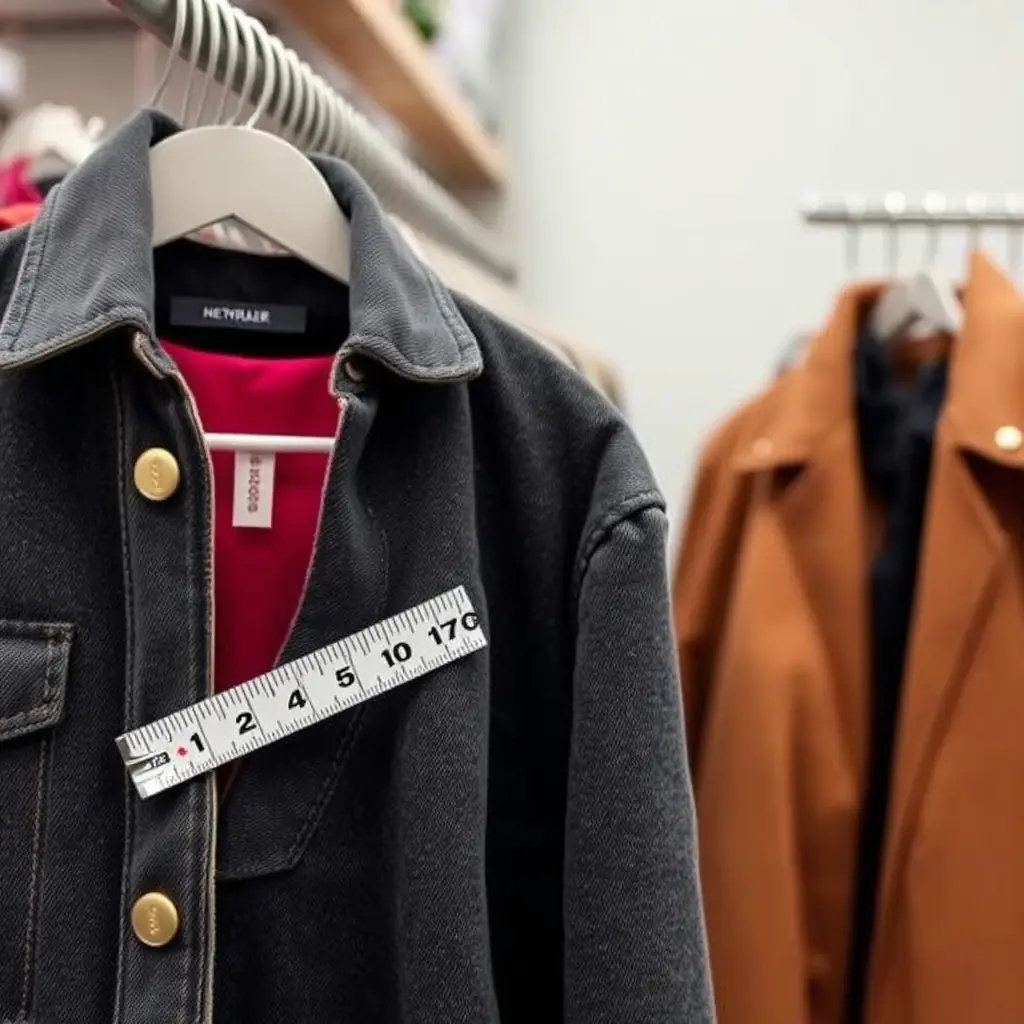
Turning your unused clothes into cash or trade-in credit is savvy both for your closet and your wallet. Start by curating the items you want to sell, focusing on those still in style and good condition. Cleaning and neatly preparing them can significantly increase appeal. Clear photos showing the item worn, or styled with common pieces, are key to selling online. Platforms like Poshmark or Depop work well, while local consignment shops can be great for immediate returns. Research similar listings to price competitively, but also consider the time of year; coats sell better in fall, while dresses might fly off the racks in spring. If unsure about authenticity of an expensive item, don't hesitate to invest in professional authentication, for both selling and buying luxury pieces. These strategies help ensure your used clothes find new homes quickly and profitably. In essence, a little effort in how you present and list your clothes can go a long way toward maximizing your returns.