
Navigating Thrift Stores: What to Look For
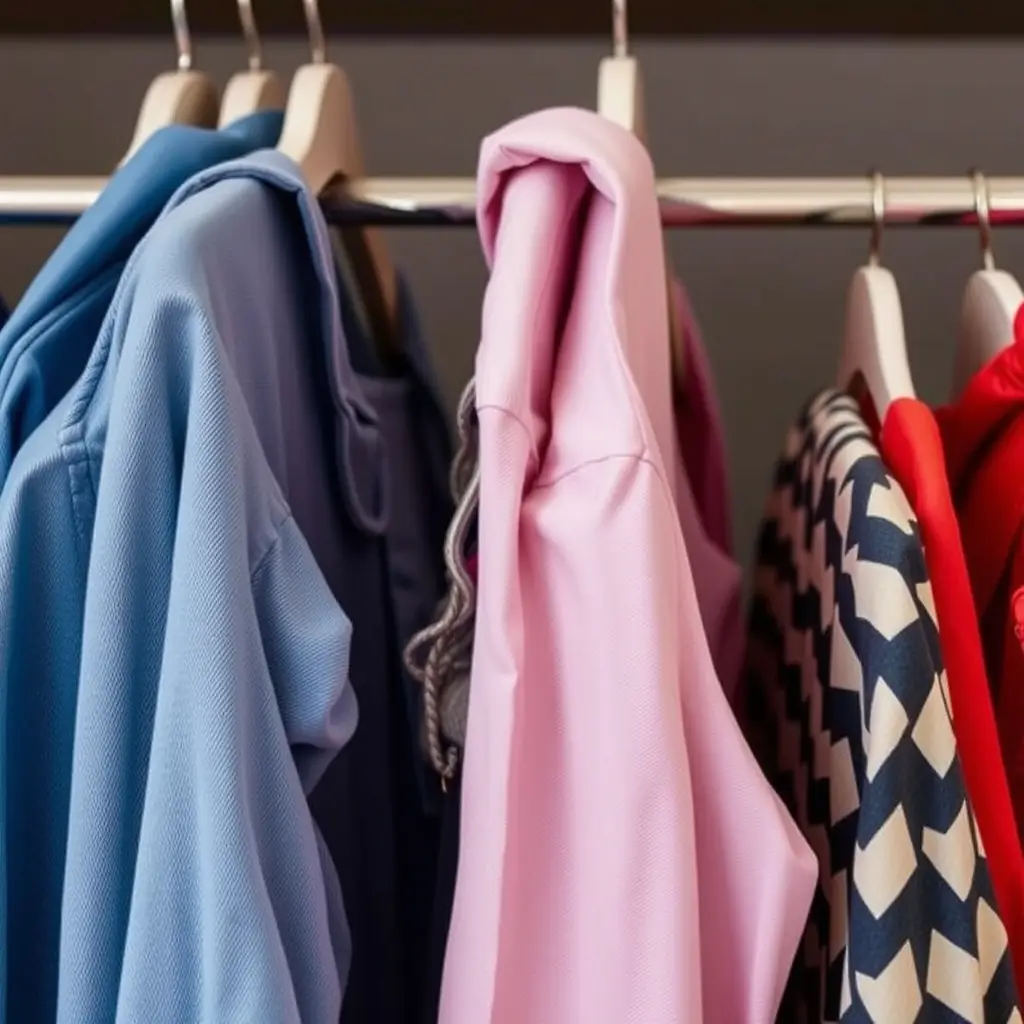
As a seasoned thrifter, the thrill of finding stylish gems at bargain prices is hard to resist. The trick is knowing what to look for. First, inspect the quality of the fabric; natural fibers like cotton, wool, and silk often last longer and feel better on the skin. Additionally, check for details, such as linings and quality stitching, which indicate a well-made garment. Don’t get swayed just by a brand name—there are plenty of lesser-known labels that offer great quality. Pay close attention to buttons and zippers for functionality. The fitting rooms aren’t always available, so wear layers; this allows you to try jackets over a t-shirt. Finally, keep your phone handy to compare prices online. This helps ensure the bargain isn’t just superficial but an actual steal!
Understanding Sizing Differences in Resale
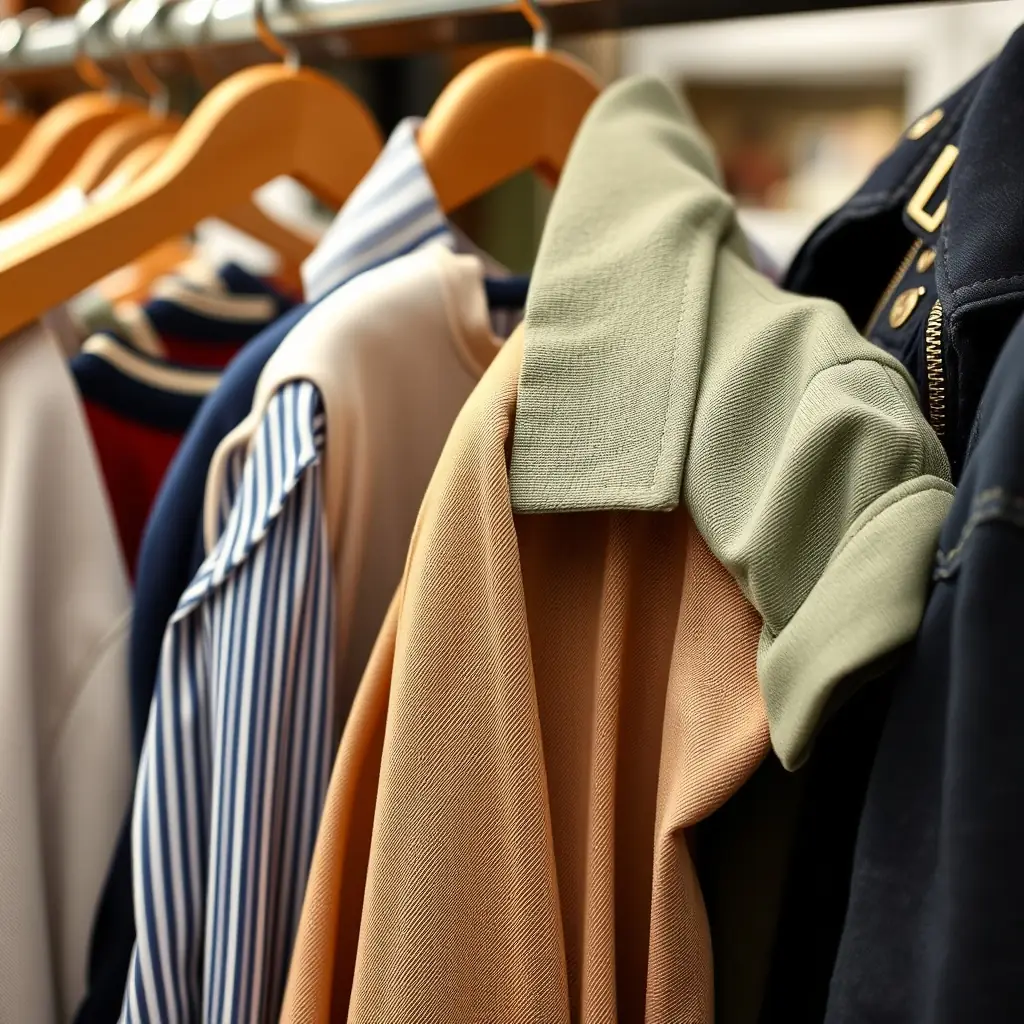
Shopping secondhand can often feel like navigating a dimension where sizes bear little resemblance to your expectations. This is part of the fun and challenge of resale outlet shopping. The key is flexibility. Vintage pieces tend to run smaller as size standards have shifted over decades. Likewise, different brands vary significantly, and there's no one-size-fits-all. My strategy involves examining the garment's cut and fit rather than sticking rigidly to a labeled size. Check shoulder seams, waistlines, and lengths for these telltale fits. When shopping through apps, carefully read product descriptions and check measurements when provided. A tape measure becomes your best friend for verifying dimensions. If uncertain, pay attention to return policies; some outlets allow for exchanges, which can offset the gamble of a click on the ‘buy’ button.

Selling Your Clothes: Tips for Success
Turning your closet purge into cash isn't just rewarding; it’s environmentally friendly. Begin by curating which ensembles you'll sell. Remember, quality matters more than quantity here. Inspect each piece for wear, spots, or damages that could reduce its appeal. Wash or dry clean garments to boost their appearance. When listing on reselling apps, be honest in your descriptions and mention any flaws, no matter how minor—trust is key. Photographs are crucial, so use natural lighting for clarity. Set your prices competitively by researching similar items. A little patience goes a long way, as timing can impact sales, with seasonal items selling best in their respective periods. If you’re using a consignment service, read the fine print to understand fees and payout terms. By doing so, secondhand doesn’t just become a clearing house but a savvy revenue stream.